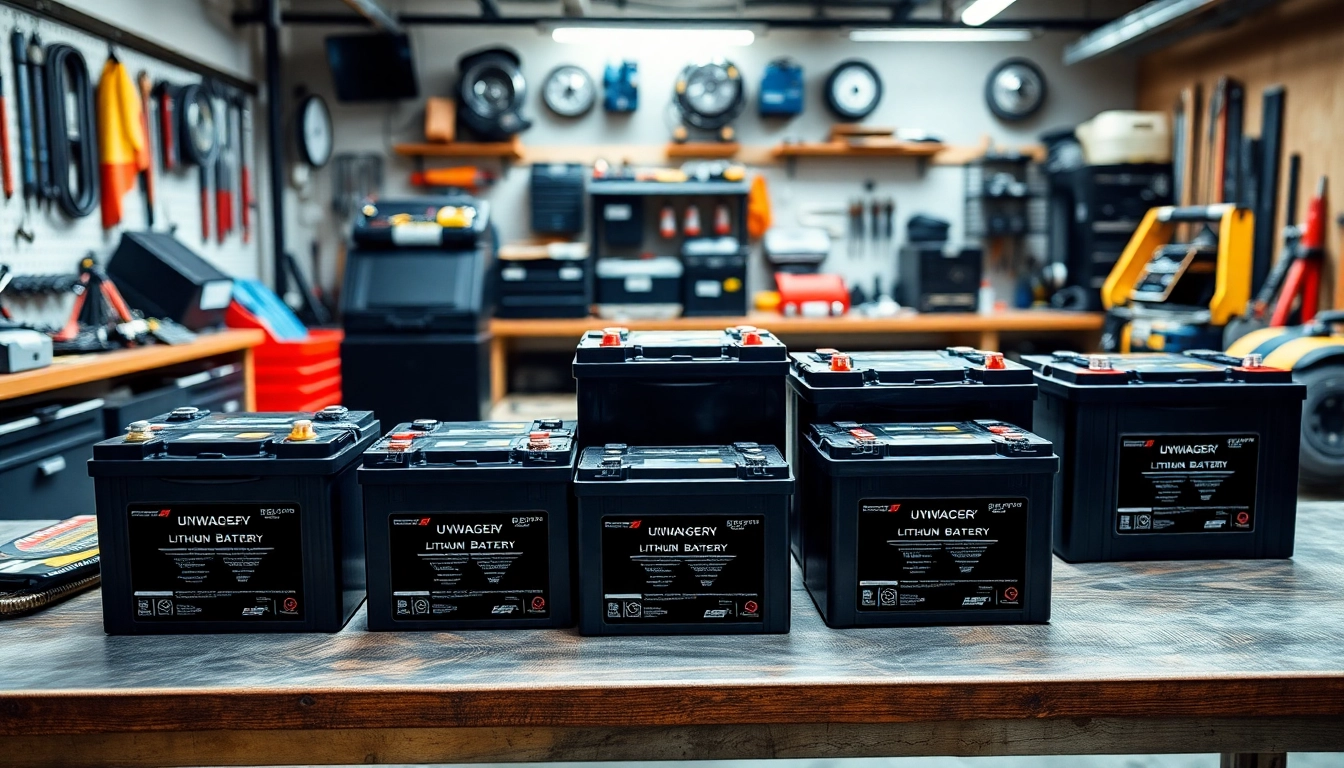
Understanding Lithium RV Batteries
Lithium RV batteries are revolutionizing the way recreational vehicles (RVs) are powered. Known for their longevity and efficiency, these batteries have quickly become a popular choice among RV enthusiasts. Unlike traditional lead-acid batteries, lithium RV batteries provide a consistent power output and faster charging times. In this article, we will dive deeper into the features, advantages, and considerations when opting for lithium RV batteries.
What are Lithium RV Batteries?
Lithium RV batteries are rechargeable batteries that utilize lithium-ion technology, which allows for higher energy density compared to traditional lead-acid batteries. The most common type used in RVs is LiFePO4 (Lithium Iron Phosphate), known for its safety and thermal stability. These batteries are designed to power various RV appliances, providing reliable energy for off-grid adventures.
Advantages Over Traditional Batteries
- Longevity: Lithium RV batteries boast a lifespan of up to 10 years or more, significantly outlasting traditional lead-acid batteries, which typically last 3-5 years.
- Weight: They are significantly lighter than lead-acid batteries, which is an essential factor for RV users concerned about weight distribution and fuel efficiency.
- Depth of Discharge: Lithium batteries can be discharged to about 80-90% of their capacity without damaging the battery, while lead-acid batteries are usually limited to 50% discharge.
- Fast Charging: Lithium RV batteries can charge much more quickly than their lead-acid counterparts, allowing you to get back on the road sooner.
- Environmental Impact: These batteries are generally considered more environmentally friendly due to their longer lifespan and a lower rate of hazardous waste generation at EOL (end-of-life).
Key Features of Lithium RV Batteries
Understanding the key features of lithium RV batteries can help you make an informed choice for your power needs. Here are the essential features:
- Built-in Battery Management Systems (BMS): Most lithium batteries come equipped with a BMS to monitor battery health, ensure safe operation, and prevent issues such as overcharging and overheating.
- Lightweight Design: Their lightweight structure makes them perfect for mobile applications like RVs, where minimizing weight is crucial.
- Temperature Resistance: Lithium batteries typically have improved performance in extreme temperatures, making them ideal for varied climates.
- Modular Setup: Many lithium batteries can be easily connected for increased power requirements or to achieve parallel setups.
Choosing the Right Lithium RV Battery
Selecting the ideal lithium RV battery is crucial for maximizing efficiency and ensuring the longevity of your system. Consider the following key factors before making a decision.
Consider Your Power Needs
Before purchasing a lithium RV battery, it is essential to conduct a thorough assessment of your power requirements. Create a list of all the devices you intend to power and calculate their total wattage. The more accurate you are in determining your needs, the better you can align your battery choice with your RV lifestyle.
Battery Size and Type Considerations
Not all lithium RV batteries are the same; they come in various sizes and voltage specifications. Choose a battery that fits adequately within your RV’s battery compartment and meets the voltage required for your appliances. Common sizes range from 12V to 48V, and it's essential to match the unit's amp-hour ratings to ensure adequate service time.
Understanding Lifecycle and Warranty
Understanding the lifecycle, or the number of charge-discharge cycles a battery can endure, is vital when selecting a lithium RV battery. A general rule of thumb is that lithium batteries can undergo 2,000 to 5,000 cycles, depending on the quality and usage. Additionally, look into the warranty offered by the manufacturer; a longer warranty often indicates confidence in the product's durability and reliability.
Installation and Maintenance of Lithium RV Batteries
Installing your lithium RV battery correctly is crucial for optimal performance. Below is a comprehensive guide to installation and maintenance.
How to Install Lithium RV Batteries
Installing lithium RV batteries may differ from traditional batteries, so always refer to the manufacturer's guidelines. Generally, Vatrer Power the installation process involves:
- Identifying a suitable location for the battery, ensuring good ventilation and accessibility.
- Disconnecting any old batteries and ensuring your RV's electrical system is shut off.
- Connecting the battery, ensuring proper polarity (positive to positive, negative to negative).
- Testing the system to ensure proper function.
Regular Maintenance Tips
While lithium batteries require less maintenance than lead-acid equivalents, following some essential practices can enhance their lifespan:
- Regularly check connections and terminals for corrosion or looseness.
- Ensure batteries are kept in a climate-controlled environment.
- Perform periodic voltage checks to ensure batteries are operating within recommended ranges.
Common Installation Mistakes to Avoid
What you don't do is just as important as what you do during installation. Avoid the following common mistakes:
- Incorrect Wiring: Always double-check your connections, especially the polarity.
- Underestimating Battery Needs: Make sure you understand your power needs to prevent overloading.
- Ignoring Ventilation: Ensure your battery compartment is well-ventilated to avoid overheating.
Performance and Usage of Lithium RV Batteries
Understanding how lithium RV batteries perform in various conditions is vital for successful off-grid adventures.
How Long Do Lithium RV Batteries Last?
The lifespan of lithium RV batteries can extend up to 10 years, particularly when properly maintained. Regular checks and avoiding deep discharges can significantly increase their longevity, making them a worthwhile investment for frequent travelers.
Best Practices for Off-Grid Power
When enjoying off-grid experiences, it's essential to follow best practices to optimize your battery's performance, such as:
- Monitor your power consumption to avoid exceeding the battery's capacity.
- Utilize solar panels for additional charging, promoting battery longevity.
- If possible, charge the battery regularly, especially during downtime.
Monitoring Battery Health
Keeping track of your battery's health can prevent performance issues. Utilize battery monitoring systems that provide real-time data about voltage, current, and State of Charge (SoC). Monitoring can help you maintain optimal performance and forewarn you before battery failure.
Frequently Asked Questions about Lithium RV Batteries
Are lithium batteries worth the investment?
For regular RV users, lithium batteries offer better longevity, faster charging, and greater capacity, making them a worthwhile investment compared to traditional batteries.
What appliances can I run with lithium RV batteries?
You can power a variety of appliances, including refrigerators, air conditioning units, lights, and charging devices for electronics with lithium RV batteries.
Can I charge my lithium RV batteries with solar power?
Yes, lithium RV batteries can be efficiently charged using solar power, provided you have an appropriate solar charging system and solar panels installed.
How do I ensure maximum battery lifespan?
To maximize the lifespan of 12V 300Ah Lithium Battery, avoid deep discharges, regularly monitor battery health, and keep them in a temperature-controlled environment.
What safety precautions should I take with lithium RV batteries?
Ensure correct installation, regularly check for corrosion, and avoid extreme temperatures. Additionally, use a Battery Management System (BMS) for optimal safety.