Introduction to Giant Building Blocks
What Are Giant Building Blocks?
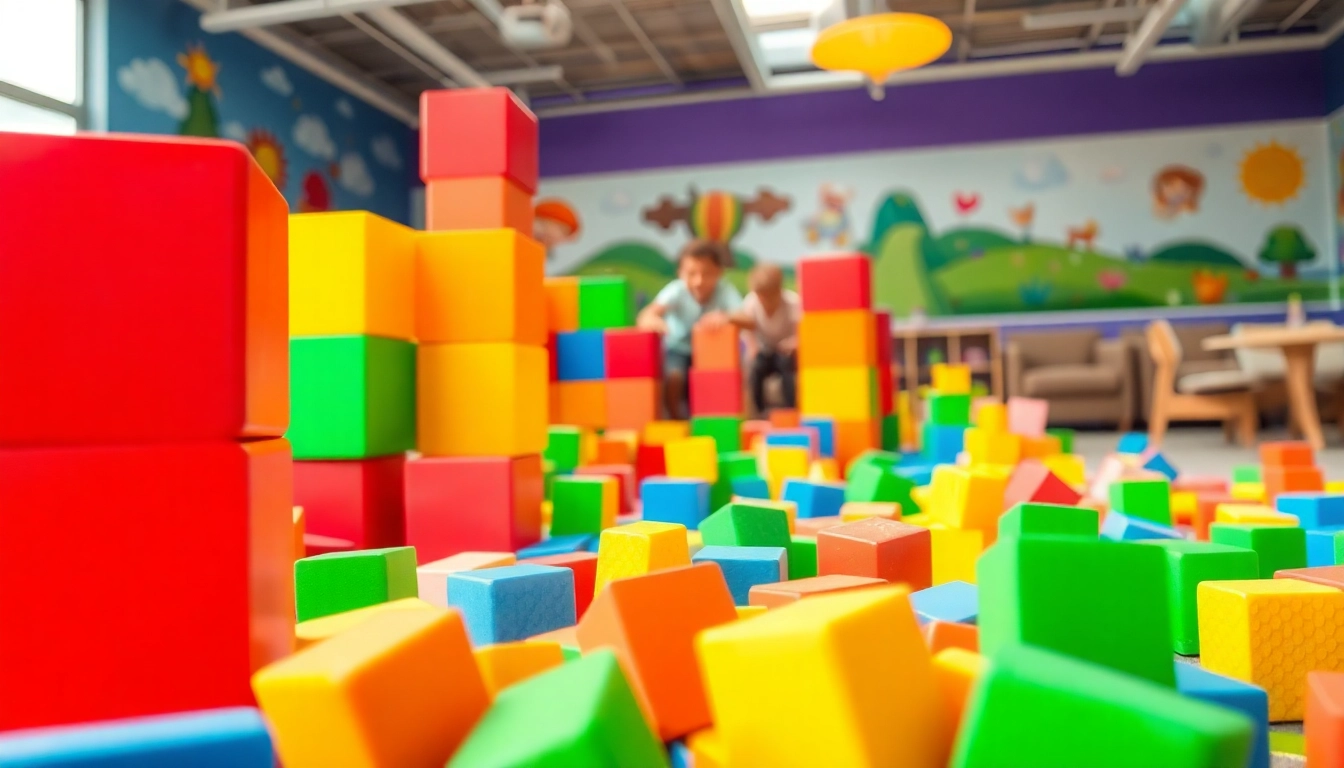
Giant building blocks are oversized, colorful pieces designed to inspire creativity and imaginative play in children. Typically made from lightweight, durable materials, these blocks come in various shapes and sizes, making them suitable for building structures, obstacle courses, and much more. Their large size allows kids to engage in hands-on play that develops not only their motor skills but also their cognitive abilities. To discover more, envision a session where kids of different ages unite to create an expansive castle or a fun-filled maze. This collaborative aspect of play can significantly enhance social interactions and teamwork skills.
Benefits of Play with Building Blocks
Play is an essential part of childhood, and utilizing giant building blocks provides a wealth of benefits. First and foremost, these blocks encourage imagination and creativity. Children can transform an array of shapes into any object they desire—from a spaceship to a fort—stimulating their inventive thinking and problem-solving skills.
Moreover, building with large blocks is an excellent physical activity. It helps enhance fine and gross motor skills, as children manipulate the blocks, stack them, and navigate around them. This kinesthetic engagement is crucial for physical development, making it a fun way to promote healthy movement without children even realizing they're exercising.
Socially, giant building blocks can create opportunities for collaboration and communication. Children often work together to devise plans, share materials, and negotiate ideas, developing important social skills. Additionally, this team-based play can foster friendships and a sense of community amongst peers.
Ideal Age Groups for Building Block Play
Giant building blocks are versatile and can cater to a range of age groups, making them a great addition to playtime for families and educational settings. For toddlers (aged 1-3 years), soft, lightweight blocks are ideal as they are easier to handle and safe for young children who are still developing their motor skills. During this phase, children learn through sensory experiences, exploring the texture, size, and colors of different blocks.
For preschoolers (aged 3-5 years), sturdier blocks that can form larger structures become appealing. As their balancing skills improve, children in this age group can benefit from blocks that challenge their creative thinking and problem-solving abilities. Finally, older children (aged 6 and above) can enjoy more complex building projects, participating in collaborative group play that may involve competition or theme-based challenges.
Choosing the Right Building Blocks
Materials and Safety Considerations
When selecting giant building blocks, the materials used should be a primary consideration. Parents and caregivers should prioritize blocks made from non-toxic, BPA-free plastics or natural woods, ensuring they are safe for children to play with.
Safety considerations also include checking for sharp edges, weight, and choking hazards. Some brands offer blocks that are not only durable but also lightweight, allowing kids to play without the fear of injury. Always look for products with safety certifications to ensure you're choosing the best options for your little builders.
Size and Shape Variations
The size and shape of building blocks can dramatically influence the nature of play. Larger blocks are easier for smaller hands to grasp, while varied shapes—like cubes, cylinders, and triangles—encourage more complex building techniques and imaginative play. Some sets even feature unique shapes that can inspire children to create unconventional structures, enhancing their creative thinking as they build.
Top Features to Look For
When choosing giant building blocks, consider features that enhance play value. Interlocking designs can provide stability for larger structures while fostering more intricate builds. Blocks that come in a variety of colors can aid visual learning and stimulate creativity. Some sets might also include themed accessories or characters to further elevate play experiences, turning ordinary building time into extraordinary adventures.
Creative Play Ideas
Fun Indoor Building Challenges
Indoor play can be just as exciting as outdoor adventures, especially when it comes to giant building blocks. Set up challenges to inspire creativity and teamwork. For instance, challenge children to build the tallest tower they can in a specified amount of time, promoting both time management and engineering skills. Alternatively, create themed challenges—like constructing a city, a zoo, or a spaceship—to stimulate their imaginations and encourage problem-solving approaches while they plan and execute their designs.
Engaging Group Activities
Group play is immensely beneficial for children's socialization skills. Organize large building sessions where kids must work together to finish a complex project. These activities can include partitioned team challenges where groups compete to see who can build the best version of a specified structure or design a collaborative art piece using blocks. Such interactive experiences promote cooperation, communication, and negotiation skills.
Theme-Based Building Inspiration
Incorporating themed building ideas can add excitement and learning opportunities into playtime. Create themed sessions built around concepts from books, science, or even history. For example, during a "Dinosaur Week," children could build their own dinosaur habitats or a prehistoric jungle using the blocks, intertwining learning with fun. Alternatively, a "Space Week" could inspire builds that simulate the Solar System or futuristic cities. Such themes not only offer creative engagement but also reinforce academic subjects through enjoyable, hands-on activities.
Maintaining and Storing Building Blocks
Best Practices for Cleaning
To ensure the longevity of your giant building blocks, regular cleaning is essential. A simple solution of mild soap and warm water is often effective for keeping blocks safe and sanitary, especially if they have been used outdoors. For blocks made from porous materials, ensure they are fully dried before storage to prevent mold or mildew growth. Additionally, consider using baby wipes or disinfectant wipes for quick clean-ups after play sessions.
Organizing Your Play Space
Creating an organized play space can enhance a child's experience with building blocks. Designate a specific area for block play, with adequate space for children to spread out their creations. Stacking bins or shelves can store blocks, making them easily accessible and promoting tidiness among play materials. When children know where to find and store their materials, they can engage in creative play more readily, helping them take ownership of their space and projects.
Long-term Storage Solutions
For long-term storage, consider using a durable, ventilated container or a large bin that can accommodate multiple sets of blocks. This prevents damage and ensures that pieces remain together, enhancing longevity. Label containers by block type or size to make it easy for children to locate specific pieces when building. This also encourages kids to participate in the upkeep of their toys, teaching them valuable organizational skills.
FAQs About Giant Building Blocks
Are giant building blocks safe for toddlers?
Yes, as long as you choose blocks made from non-toxic materials and ensure their size is suitable for little hands.
What activities can kids do with building blocks?
Kids can build structures, create obstacle courses, or engage in imaginative play scenarios using giant building blocks.
How to encourage teamwork with building blocks?
Set up group challenges where kids must collaborate to build a project, fostering communication and cooperation.
Can giant building blocks be used outdoors?
Yes, many giant building blocks are versatile and suitable for outdoor use, enhancing play in gardens or parks.
Where can I buy giant building blocks?
Giant building blocks are available at toy stores, online retailers, and specialty children’s stores, providing a range of options.