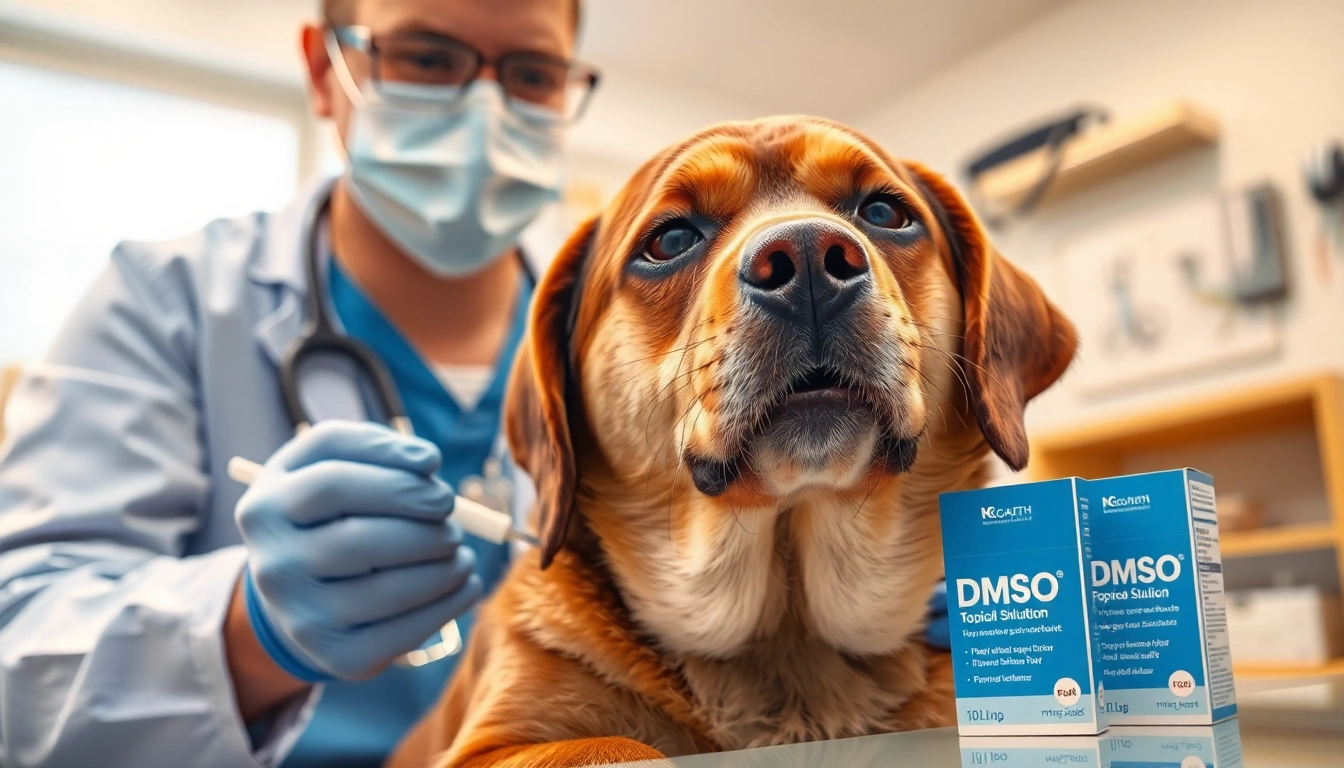
Introduction to DMSO for Dogs
Dimethyl Sulfoxide (DMSO) is becoming increasingly popular in the veterinary field for its diverse applications in canine health. From addressing chronic pain to accelerating healing, dmso for dogs presents an intriguing option for pet owners seeking alternative therapies. Understanding how this compound functions and its potential benefits may help dog owners navigate their pets' health needs with confidence.
What is DMSO?
DMSO is a by-product of wood pulp processing, and it's a colorless liquid that has significant solvent properties. Initially developed for industrial applications, its therapeutic potential was recognized when studies highlighted its ability to penetrate biological membranes. This property allows it to deliver other medications through the skin directly to sites of inflammation or pain.
How DMSO Works in Dogs
When applied topically, DMSO penetrates the skin and enters the bloodstream. Its mechanisms of action involve reducing inflammation, acting as a pain reliever, and promoting cellular repair. It does this by scavenging free radicals and enhancing blood flow, which can be particularly beneficial for dogs recovering from injuries or surgeries.
DMSO Benefits for Canine Health
The advantages of using DMSO encompass various health situations for dogs. Pet owners have reported improvements in conditions such as arthritis, joint pain, skin issues, and even healing from surgical procedures. As a multifunctional agent, DMSO may enhance the quality of life for many canines with chronic ailments.
Common Uses of DMSO for Dogs
DMSO for Arthritis and Joint Pain
Arthritis is a common issue affecting dogs, especially older ones. DMSO's anti-inflammatory properties can help reduce swelling and discomfort associated with this condition. Studies indicate that when used alongside other treatments, DMSO may alleviate pain, improve mobility, and enhance overall quality of life in arthritic dogs.
Application for Skin Conditions
In addition to joint pain, DMSO is effective for various skin issues such as acral lick dermatitis and calcinosis cutis. By reducing inflammation and promoting skin healing, DMSO applications can assist in managing these conditions. Pet owners should monitor their dogs closely when using DMSO on skin lesions, ensuring no adverse reactions occur.
Using DMSO for Post-Surgery Recovery
DMSO can play a significant role in enhancing recovery post-surgery. Its effective penetration properties allow for quicker delivery of nutrients and medication to the affected areas. This can minimize healing time, reduce inflammation, and promote faster recovery, which is critical in surgical contexts.
Administering DMSO for Dogs Safely
Dosage Guidelines for Canines
Proper dosage is key when administering DMSO. Generally, for topical applications, a small amount is sufficient—often recommended at about 1 to 2 grams per application, not exceeding 20 grams daily. It’s essential to follow veterinary guidance to establish the safest and most effective dosage for individual dogs, considering their weight and health status.
Best Application Methods
The application method can significantly impact DMSO's effectiveness. For instance, applying the solution to clean, dry skin ensures better absorption. Many pet owners choose gels or roll-ons for ease of use, focusing on the areas affected by pain or inflammation. Additionally, wearing gloves during application is vital to avoid unintentional absorption by the caregiver.
Precautions and Side Effects
While DMSO is generally considered safe, it can cause certain side effects or sensitivities in some dogs. Common reactions may include skin irritation, allergic responses, or changes in body odor due to its rapid absorption. Always consult a veterinarian before introducing DMSO into your dog's treatment plan, especially if they are on other medications to avoid potential interactions.
Choosing the Right DMSO Product for Dogs
Types of DMSO Formulations
There are various formulations of DMSO available in the market, including liquid solutions and gels. Pet owners should look for products specifically designed for animal use, ensuring they meet safety and efficacy standards. It's crucial to select a formulation that aligns with the intended application, whether for localized treatment or broader systemic use.
What to Look For in DMSO Products
When selecting DMSO products, check for concentration—commonly ranging from 70% to 99%—and confirm that they are free from additives that could cause irritation or toxicity. Labels should also indicate whether the product is suitable for veterinary use, as human-grade DMSO may contain impurities that could be harmful.
Consulting Your Veterinarian
Before using DMSO for your dog, a thorough discussion with a veterinarian is essential. This professional guidance will help evaluate the suitability of DMSO based on your dog’s specific health conditions and potential medication interactions. Establishing a regular follow-up during treatment can help monitor effectiveness and side effects for optimal care.
Frequently Asked Questions about DMSO for Dogs
Can DMSO be used with other medications?
Yes, DMSO can enhance the effectiveness of certain medications by improving absorption. However, always consult a veterinarian to avoid adverse interactions and ensure safe combination treatments.
Is DMSO effective for all dog breeds?
DMSO can be beneficial for various dog breeds, though individual responses may vary based on health conditions. Consultation with a veterinarian can determine its appropriateness for specific breeds.
Can I use DMSO for my dog's itchy skin?
Yes, DMSO may help reduce inflammation associated with itchy skin conditions. It's vital to ensure proper application and monitor for any adverse reactions or changes in the skin's condition.
How often can I apply DMSO to my dog?
Topical applications can generally be made every 6 to 8 hours, but total daily doses should not exceed 20 grams. Ideally, consult with your veterinarian to establish a safe application frequency for your dog.
What are the signs of DMSO side effects in dogs?
Signs of side effects can include skin irritation, changes in odor, or allergic reactions. If you notice any unusual behavior or physical changes in your dog after DMSO application, contact your veterinarian immediately.