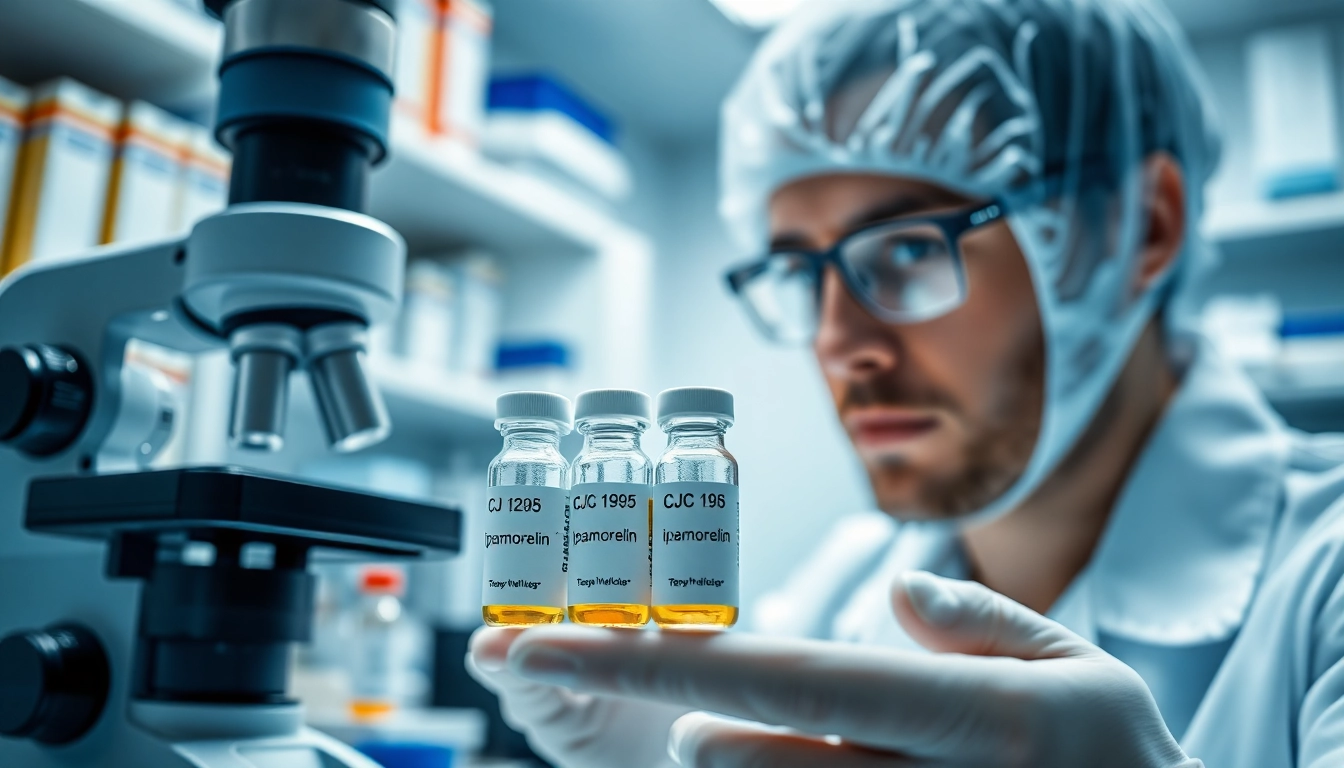
Introduction to Peptides
Peptides are a fascinating class of molecules in biochemistry, consisting of short chains of amino acids. They play a significant role in various biological functions, from acting as hormones to serving as neurotransmitters. With the rise of biotechnology, research into peptides has gained traction, opening new avenues for therapeutic applications. One key aspect of working with peptides is the proper reconstitution and administration, where bacteriostatic water for peptides comes into play, serving as an essential solvent to ensure the efficacy and stability of these compounds.
What Are Research Peptides?
Research peptides are short chains of amino acids that are often synthesized for laboratory study. They differ from proteins primarily in their length, with peptides generally consisting of 2 to 50 amino acids. Scientists utilize research peptides to investigate various biological processes, and they are increasingly being developed into therapeutic agents due to their specificity and potency. They may be used to explore hormone levels, muscle building, anti-aging, and more, making them a critical focus in biomedical research.
Types of Peptides and Their Uses
There are several classes of peptides each serving distinct purposes:
- Signal Peptides: These are crucial for the initiation of protein synthesis and often guide proteins to their destinations within the cell.
- Antimicrobial Peptides: Naturally found in various organisms, these peptides exhibit properties that combat bacterial infections.
- Hormonal Peptides: Acting as hormones (such as insulin), these peptides regulate numerous bodily functions.
- Neuropeptides: Involved in neurotransmission and neuronal communication, they affect mood and behavior.
- Therapeutic Peptides: Being developed to treat conditions like diabetes, cancer, and cardiovascular diseases.
The Importance of Peptide Administration
Understanding how to correctly administer peptides is crucial for maximizing their therapeutic effects. Factors such as dosage, delivery method, and solvent used significantly influence the outcomes of peptide treatment. The structural integrity and biological activity of peptides can be compromised without proper reconstitution, making the choice of solvent, such as bacteriostatic water, imperative.
Bacteriostatic Water: A Key Resource
Definition and Composition of Bacteriostatic Water
Bacteriostatic water is sterile water that contains a small amount (usually 0.9%) of benzyl alcohol, which acts as a preservative that inhibits bacterial growth. This property allows it to be safely used multiple times for reconstituting peptides without the risk of contamination. The usage of sterile water is vital in medical applications, and understanding its components is essential for effective peptide administration.
How Bacteriostatic Water Works in Peptide Use
Upon reconstitution of lyophilized peptides, bacteriostatic water serves multiple purposes. It not only dissolves the peptide for injectable use but also helps to stabilize the peptide structure, ensuring it remains functional over time. The benzyl alcohol in bacteriostatic water acts to condition the environment, protecting sensitive peptides from hydrolysis and denaturation.
Benefits of Using Bacteriostatic Water
Utilizing bacteriostatic water offers several advantages when working with peptides:
- Prolonged Shelf Life: The presence of a bacteriostatic agent extends the longevity of reconstituted peptides, allowing for multiple uses.
- Enhanced Safety: The reduced risk of bacterial contamination ensures safer storage and administration of peptides.
- Stability: It contributes to the structural stability of peptides, critical for their therapeutic effectiveness.
Safe Handling and Storage
Proper Storage Techniques
Storing bacteriostatic water and reconstituted peptides correctly is vital to maintain their effectiveness. Store bacteriostatic water at room temperature away from direct sunlight. Once reconstituted, peptides should be stored in the refrigerator, ideally at temperatures between 2°C to 8°C, and should be used within a specific timeframe, often within a few weeks, depending on the peptide type.
Handling Protocols for Bacteriostatic Water
Ensuring that you follow strict handling protocols is essential in maintaining the integrity of bacteriostatic water:
- Always use sterile syringes and needles to avoid contamination.
- Do not touch the needle tip or the rubber stopper of the vial.
- Dispose of any used equipment in biohazard containers.
Signs of Contamination to Watch For
Monitoring for contamination is necessary for the safe use of bacteriostatic water and peptides. Be on the lookout for:
- Changes in coloration or clarity of the solution.
- Particulate matter present in the solution.
- Unusual odors emanating from the vial.
Best Practices for Peptide Reconstitution
Step-by-Step Guide to Reconstituting Peptides
Proper reconstitution of peptides requires attention to detail. Follow these steps:
- Gather all necessary materials: bacteriostatic water, sterile syringe, alcohol swabs, and peptide vial.
- Clean the rubber stopper of the peptide vial and the top of the bacteriostatic water vial with an alcohol swab.
- Draw the appropriate amount of bacteriostatic water into the syringe.
- Inject the water slowly into the peptide vial, avoiding direct force to the powder. Gently swirl the vial until fully dissolved.
- Once dissolved, draw the reconstituted peptide back into the syringe, ready for administration.
Common Mistakes to Avoid
Awareness of common pitfalls can significantly improve reconstitution efforts:
- Using regular sterile water instead of bacteriostatic water.
- Forcing the water into the vial too quickly.
- Reusing vials beyond recommended periods.
Optimal Conditions for Reconstitution
To achieve the best results when reconstituting peptides, maintain optimal conditions:
- Work in a clean, sterile environment to minimize contamination.
- Ensure temperatures are in the recommended range for both water and peptides.
- Handle all equipment with sterile techniques.
FAQs about Bacteriostatic Water for Peptides
Can I use bacteriostatic water more than once?
Yes, bacteriostatic water is designed for multiple uses, generally for up to 28 days when stored correctly. Always check for signs of contamination.
Is bacteriostatic water safe for all types of peptides?
Generally, yes, but always consult specific peptide guidelines. Certain peptides may have different stability characteristics.
How does temperature affect bacteriostatic water?
Storing bacteriostatic water at temperatures outside 20°C to 25°C can decrease its effectiveness and increase contamination risk.
What is the shelf life of bacteriostatic water?
Bacteriostatic water typically has a shelf life of 18 to 24 months if unopened and stored properly. Check labels for specifics.
How do I know if my bacteriostatic water is expired?
Expiration can be checked via the packaging. Look for changes in color, turbidity, or if the seal is broken.