Understanding Age Perception: The Science Behind "How Old Do I Look"
Age perception is a fascinating topic that touches on our psychology and cultural influences. As we navigate through life, many of us often find ourselves pondering the question, how old do I look? This question cuts to the core of how we view ourselves and how others perceive us. Various factors, including facial features, skin condition, and even hairstyles, can drastically influence age estimation. Understanding the science behind these perceptions grants us insight into not just age, but also societal standards of beauty and youthfulness.
What is Facial Age Estimation?
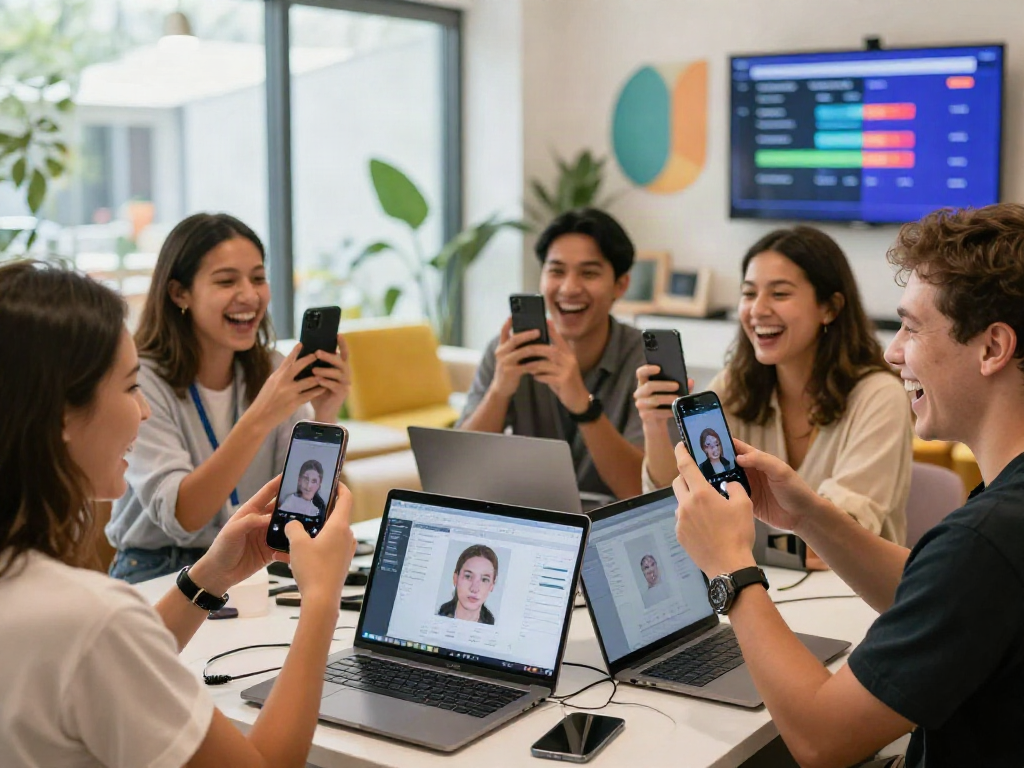
Facial age estimation involves the analysis of facial features to determine a person's perceived age. This process utilizes algorithms and various technologies to analyze attributes such as skin texture, wrinkles, and overall facial contour. With the advancement of AI and machine learning, these systems can provide surprisingly accurate age estimates based on the subtle nuances of human appearance.
Psychological Factors Influencing Age Perception
Age perception is not merely a matter of biological aging; it is heavily influenced by psychological factors. People often associate certain facial features with youth or age due to cultural stereotypes and media portrayals. For instance, a strong jawline and clear skin are often associated with youth, while sagging skin and deep wrinkles may evoke thoughts of older age. Furthermore, our own self-image can skew our perceptions—many individuals may see themselves as younger or older than they truly are, driven by confidence or insecurity.
Common Misconceptions about Aging and Appearance
There are several misconceptions surrounding aging and appearance that can lead to confusion. For example, many may believe that aging is solely linked to skin quality and elasticity, neglecting other factors like lifestyle, diet, and genetics. Additionally, societal norms often dictate that older individuals should display signs of aging, while retaining a youthful appearance is often celebrated. These misconceptions can create unrealistic expectations and pressure surrounding age and beauty.
AI Technology in Age Estimation: How it Works
The rise of AI technology has revolutionized the field of age estimation, providing users with quick and accurate assessments. Understanding how these algorithms work can help demystify the process and highlight its capabilities.
Overview of AI Algorithms for Age Detection
AI algorithms utilize vast datasets to learn patterns related to facial aging. These systems analyze thousands of facial images to identify common age-related characteristics. By training on diverse age groups and ethnicities, the algorithms can make more accurate predictions across different demographics. Techniques such as convolutional neural networks (CNNs) are often employed to process the images and derive insights regarding perceived age.
Comparing Machine Learning and Traditional Methods
Traditional methods of age estimation typically relied on expert opinion and manual assessment. These approaches were subjective and often varied from one evaluator to another. In contrast, machine learning provides a data-driven, objective analysis that can significantly reduce human error. Algorithms can quickly process and analyze large datasets, producing results in a matter of seconds, unlike traditional methods that could take hours or days.
Ensuring Privacy and Security in Photo Uploads
With the rise of age estimation apps comes the responsibility to protect user data. Reputable age estimation services prioritize privacy and implement strict security measures to safeguard uploaded photos. Users should always be informed of how their data is used and stored, ensuring transparency in the process. By understanding these privacy protocols, users can feel more secure when engaging with these technologies.
User Experiences: Engaging with Age Estimation Apps
As the popularity of age estimation apps continues to grow, user experiences provide valuable insights into their effectiveness and entertainment value.
Case Studies of Popular "How Old Do I Look" Apps
Several applications dominate the "how old do I look" landscape, each offering unique features and user experiences. For example, FaceAge.ai uses advanced algorithms to analyze uploaded images while maintaining user privacy. Similarly, apps like Fotor and BeautyPlus offer fun, interactive experiences that allow users to explore their perceived age through engaging interfaces. User feedback consistently highlights the accuracy and enjoyment derived from these applications, making them popular choices for age estimation.
User Feedback on Accuracy and Fun Factor
Reviews from users indicate that while many apps provide a fun experience, the accuracy can vary. Some users find that the results align closely with their actual age, while others feel the estimates are off. Despite this variability, the overall enjoyment and curiosity surrounding the experience keep users returning. Many users appreciate the playful nature of these apps and often share results with friends for fun.
How Social Media Influences Age Perception
Social media plays a significant role in shaping our understanding of age perception. Platforms like Instagram and TikTok often glorify youth, leading users to compare themselves against curated images of beauty and youthfulness. This constant exposure can distort age perception, causing individuals to feel pressure to appear younger or conform to societal ideals. Additionally, filters and editing tools allow users to modify their images, further complicating the distinction between perceived and actual age.
Future Trends: The Evolution of Age Estimation Technology
As technology continues to evolve, so too will the methods of age estimation. Emerging trends indicate exciting developments in this field.
Emerging Technologies in Facial Analysis
Future advancements in facial analysis may integrate not only visual data but also biometric information. For instance, technologies could analyze voice patterns or physiological indicators to provide even deeper insights into biological age. Innovations like augmented reality may also enhance user engagement by allowing for interactive experiences during age estimation.
Predictions for 2026 and Beyond in Age Estimation
Looking ahead to 2026, we can expect more personalized experiences in age estimation apps, utilizing AI to create tailored recommendations based on an individual’s unique features. As awareness of mental health and body positivity grows, these apps may also shift focus from purely entertainment to promoting positive self-image and acceptance of aging.
Industry Applications Beyond Just Fun
While age estimation apps are primarily viewed as entertainment, there are potential applications in various industries. For instance, healthcare providers could use these technologies to assess skin health and recommend personalized skincare regimens. Additionally, beauty brands may leverage age estimation to target their marketing strategies effectively, aligning products with consumer demographics.
Frequently Asked Questions about Age Estimation
What factors affect the accuracy of age estimation apps?
Factors influencing accuracy include the quality of the uploaded image, facial expressions at the time of capture, lighting conditions, and the algorithm's training data. Adjustments in any of these areas may lead to differing results.
Are there health implications related to how we perceive age?
Yes, our perception of age can impact mental health. Individuals who feel pressure to appear younger may experience anxiety or lower self-esteem. It’s essential to foster a healthy perspective on aging.
Can these apps be used for more than just fun?
Absolutely! Beyond entertainment, these apps can provide insights into skincare needs and encourage discussions about aging and health.
What advancements are expected in AI age estimation by 2026?
Future advancements may include enhanced accuracy through the integration of multi-modal data, refined algorithms that consider lifestyle factors, and improved user engagement through gamification.
How can I improve the accuracy of my uploaded photos?
To enhance accuracy, ensure good lighting, a clear background, and a neutral facial expression. Avoid filters and heavy makeup, as these can obscure features that the software analyzes.