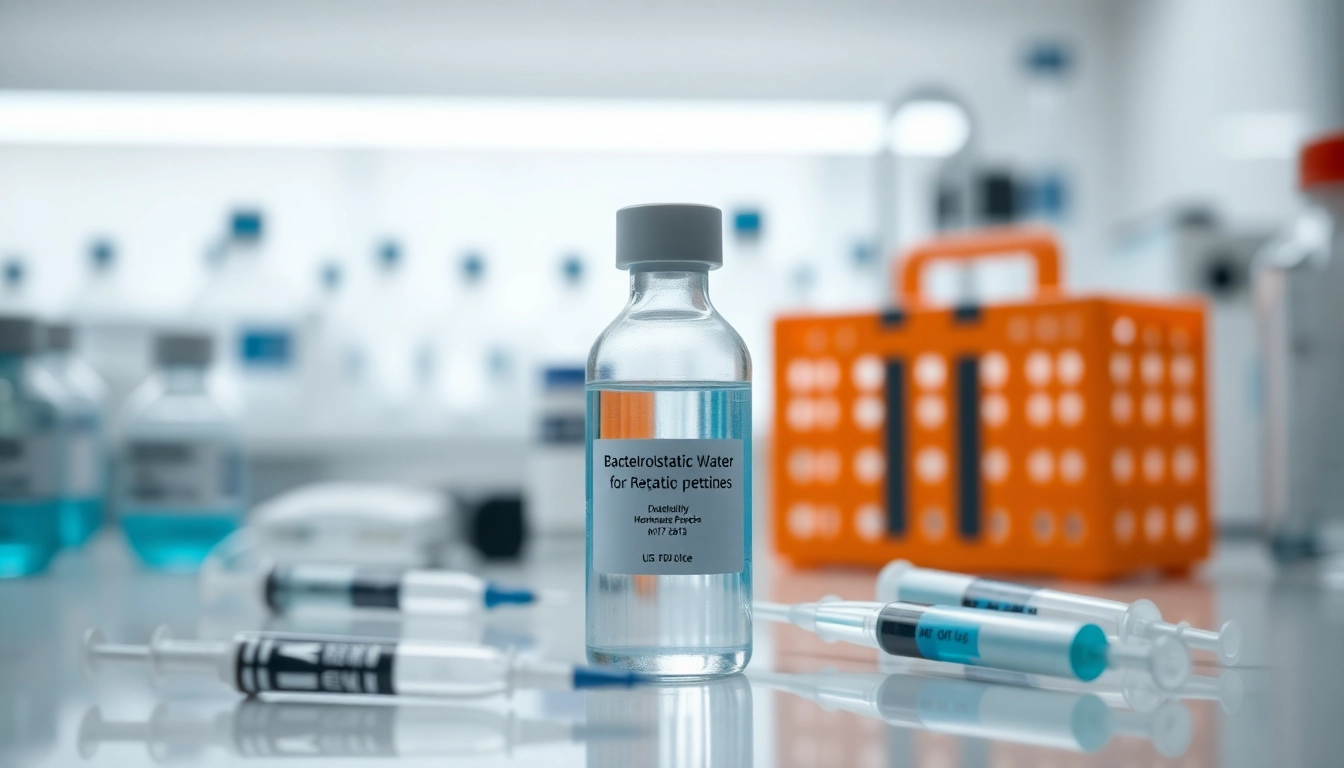
Understanding Peptides and Their Uses
What Are Research Peptides?
Research peptides are short chains of amino acids linked by peptide bonds. They serve as building blocks for proteins and play critical roles in various biological functions. These peptides are synthesized in labs and are primarily used in research settings to understand their effects on biological processes and their potential therapeutic applications. With advances in biotechnology, the interest in peptides has surged, resulting in an array of potential applications across different fields, including medicine, sports performance, and cosmetic treatments.
Common Applications in Medicine
Peptides are increasingly recognized for their potential therapeutic applications. They are utilized in treatments for conditions such as diabetes, cancer, and cardiovascular diseases. For instance, insulin is a peptide hormone essential for managing blood sugar levels in diabetic patients. Additionally, certain peptides are being investigated for their ability to promote wound healing, support muscle growth, and enhance metabolism. Their specificity and potentially lower side effects compared to traditional pharmaceuticals make peptides an attractive option in modern medicine.
Safety and Efficacy in Usage
The safety and effectiveness of peptides is a crucial consideration in their application. Clinical studies have shown that many therapeutic peptides have favorable safety profiles and are well tolerated by patients. However, the quality of peptides used, the methods of administration, and proper dosing play vital roles in determining their efficacy. Regulatory bodies often closely monitor these factors, ensuring that peptides utilized in medical research and treatments meet established safety standards. Continuous research is essential to further understand potential side effects and long-term impacts of peptide usage.
The Importance of Bacteriostatic Water
What is Bacteriostatic Water?
Bacteriostatic water is sterile water containing a small amount of benzyl alcohol, which acts as a preservative. This formulation makes it particularly suitable for diluting or dissolving medications for injection. Unlike regular sterile water, bacteriostatic water has a longer shelf life and helps inhibit the growth of bacteria, making it ideal for use with injectable preparations, including research peptides. The presence of a preservative ensures that once the container is opened, the bacteriostatic properties remain effective for an extended period, preventing contamination.
Why It’s Essential for Peptide Applications
The use of bacteriostatic water for peptides is crucial for maintaining the stability and integrity of peptide solutions. Peptides can be sensitive to bacterial contamination, which could compromise their efficacy. By utilizing bacteriostatic water, researchers and practitioners can ensure that their peptide preparations remain safe and effective for longer periods. This is particularly beneficial when peptides are not used immediately after reconstitution, allowing for flexible administration timing without compromising safety.
Storage and Handling Tips
Proper storage and handling of bacteriostatic water are essential to maximize its lifespan and effectiveness. It should be stored in a cool, dark place away from direct sunlight. Once opened, the bacteriostatic water should be used within the recommended timeframe, usually several weeks if maintained correctly. Always ensure that the vial remains sealed when not in use, and use sterile techniques when accessing the solution to minimize contamination risks. Regularly inspecting the water for any signs of discoloration or particulate matter is also advisable.
Preparing Peptides for Use
Steps to Reconstitute Peptides
Reconstituting peptides involves the careful mixing of powdered peptide with bacteriostatic water. The standard procedure begins with cleaning the vial's top with an alcohol swab to ensure sterility. Next, determine the appropriate amount of bacteriostatic water to add based on the peptide's specifications. After drawing the water into a syringe, inject it slowly into the vial containing the peptide powder, allowing it to dissolve gradually. Gentle swirling or tilting of the vial can facilitate the reconstitution process without causing foam formation, which may negatively impact the integrity of the solution.
Mixing Techniques with Bacteriostatic Water
When mixing peptides with bacteriostatic water, it's crucial to avoid vigorous shaking, which can lead to denaturation of the peptide, impacting its functionality. Instead, a gentle rocking motion or swirling method is advisable to allow for even distribution. Additionally, allowing the solution to sit for a few moments after adding the water can help ensure complete dissolution. This careful approach not only preserves the peptide's structure but also ensures optimal therapeutic activity upon administration.
Common Mistakes to Avoid
Several common mistakes can compromise the effectiveness of peptide reconstitution. These include using non-sterile water, excessive shaking, and using the incorrect dilution ratio. Additionally, failing to store reconstituted peptides properly or neglecting to dispose of expired solutions can pose significant risks. Adhering strictly to reconstitution protocols, maintaining cleanliness, and closely monitoring expiration dates are essential practices for ensuring safe and effective use of peptides.
Best Practices for Peptide Storage
Optimal Storage Conditions
To extend the shelf life of peptides, they should be stored in a cool, dry place away from moisture and direct light. Most peptides are best preserved at temperatures between 2°C and 8°C, ideally under refrigeration. If peptides are being stored long-term, consider freezing them in appropriate vials; however, this should be done with care to prevent formation of ice crystals that can damage peptide structures. Additionally, avoiding repeated freeze-thaw cycles is essential, as they can lead to degradation.
How to Extend Peptide Longevity
Extending the longevity of peptides involves several key practices. First, always use sterile techniques during handling to minimize exposure to contaminants. Second, store peptides in single-use portions to avoid repeated exposure to air and temperature fluctuations. Using desiccants in storage containers can also help manage moisture. Finally, keeping thorough records of storage dates and conditions will provide insights into efficacy over time, enabling informed decisions about peptide viability.
Environmental Factors to Monitor
Monitoring environmental factors, such as temperature and humidity, is crucial for peptide storage. Fluctuations in temperature can lead to degradation, while high humidity can promote hydrolysis of the peptide bonds. Employing temperature-controlled storage units can mitigate risks associated with temperature changes. Additionally, utilizing hygrometers and thermometers can aid in continuously monitoring environmental conditions, ensuring stable and safe storage for research peptides.
Frequently Asked Questions
What is the shelf life of bacteriostatic water?
The shelf life of bacteriostatic water is typically around 28 days after opening. It's important to check the expiration date on the vial and dispose of any unused portion afterward to ensure safety.
Can I use bacteriostatic water with any peptide?
Yes, bacteriostatic water can be used with most peptides. However, it's always best to consult the specific guidelines for each peptide for optimal results.
How do I know if my peptides are still effective?
Peptides should be inspected for color change, precipitation, or cloudiness. If any of these occur, it's advisable to discard the peptide as it may no longer be effective.
What are the risks of improper storage?
Improper storage can lead to peptide degradation, reduced potency, and increased risk of contamination, all of which could compromise research outcomes or clinical efficacy.
When should I discard unused bacteriostatic water?
Discard unused bacteriostatic water after 28 days of opening, or sooner if there are signs of contamination or discoloration. Always prioritize safety over usage.