Understanding Flathead Equipment Rental
What is Flathead Equipment Rental?
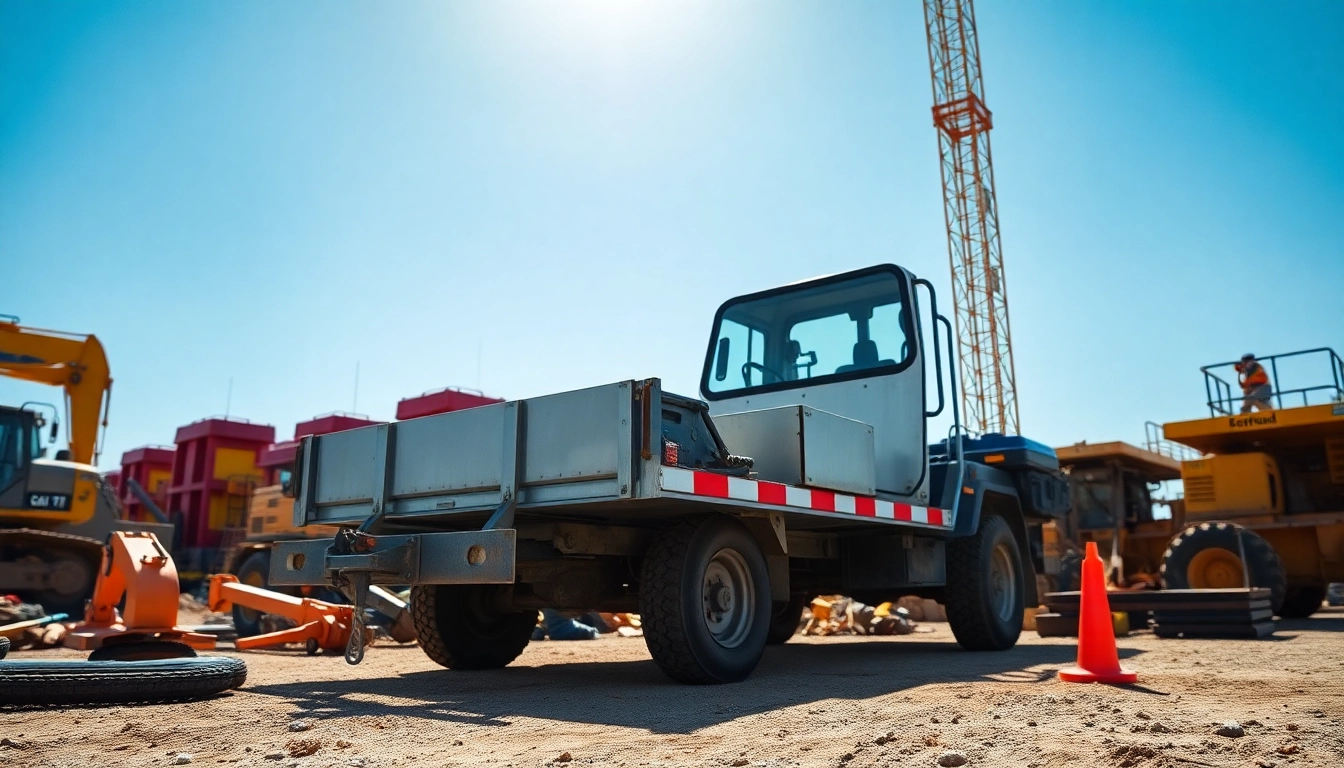
Flathead equipment rental refers to the practice of renting specialized machinery and tools specifically designed for construction, landscaping, and heavy-duty projects within the Flathead region. This rental service provides businesses and individuals with access to high-quality equipment without the long-term commitment and maintenance responsibilities associated with ownership. Utilizing flathead equipment rental allows users to choose from a variety of machinery suited for different tasks, from excavation to site preparation.
Benefits of Choosing Flathead Equipment Rental
Renting equipment in the Flathead area comes with numerous benefits that cater to varying project needs:
- Cost-Effective: Renting eliminates the need for significant upfront investment, making resources available for other project components.
- Access to Latest Technology: Rental companies often provide newer equipment models that feature the latest technology, improving efficiency and performance.
- Flexibility: Projects often have fluctuating equipment needs. Renting allows you to scale up or down based on your requirements without the burden of owning unused equipment.
- Maintenance and Support: Rental agreements typically include maintenance services, ensuring that you don’t have to deal with repairs and upkeep.
- Expert Advice: Reputable rental providers often employ experts who can offer advice on equipment choice, operation, and safety.
When to Consider Flathead Equipment Rental
There are several scenarios where flathead equipment rental is the optimal choice, including:
- Short-term projects that require specialized machinery not worth the purchase cost.
- The need for quick access to equipment during peak seasons or project spikes.
- First-time users or businesses looking to test out equipment before making a significant investment.
- Large-scale projects with rapidly changing equipment demands that necessitate quick adjustments.
Types of Flathead Equipment Available
Common Flathead Equipment Rentals
Common types of equipment offered for rent in the Flathead area include:
- Excavators: Essential for digging, grading, and demolition tasks.
- Skid Steer Loaders: Versatile machines that can be equipped with various attachments for different tasks.
- Bulldozers: Used mainly for moving earth and clearing sites, bulldozers are powerful yet maneuverable.
- Backhoes: Ideal for digging, trenching, and moving materials with ease.
- Forklifts: Useful for lifting and moving heavy loads in warehouse and construction settings.
Specialized Flathead Equipment for Unique Projects
For specialized needs, equipment options include:
- Concrete Mixers: Crucial for masonry and construction tasks that require consistent concrete mixing.
- Chippers and Brush Cutters: Perfect for landscaping projects involving tree and brush removal.
- Cranes: Necessary for lifting and positioning heavy equipment or materials at higher elevations.
- Hydraulic Breakers: Effective in breaking concrete and rock formations during demolition activities.
Comparing Flathead Equipment Options
When evaluating equipment options, consider factors such as:
- Performance Specifications: Different models may vary in power, efficiency, and precision. Review specs to ensure the equipment meets project requirements.
- Ease of Use: Some machines may require more expertise to operate than others. Select equipment that matches the skill set of your team.
- Size and Mobility: Depending on your worksite's constraints, choose machines that can easily navigate tight spaces or that offer necessary reach.
- Rental Terms: Understand the rental conditions, including duration, costs, and penalties for delays or damages.
How to Choose the Right Flathead Equipment for Your Needs
Assessing Project Requirements
Before renting equipment, a comprehensive assessment of your project requirements is essential. Factors to consider include:
- Project scope and timeline.
- The type of tasks that need to be performed (digging, lifting, loading, etc.).
- Site conditions, such as the terrain type and space constraints.
- Project budget, ensuring equipment rental costs fit within financial plans.
Evaluating Equipment Specifications
Once project needs are established, compare equipment specifications. Key aspects to evaluate include:
- Power output and lifting capacity necessary for your tasks.
- Dimensions of the equipment to ensure suitability for the work site.
- Fuel efficiency, which can significantly affect operating costs.
- Attachment compatibility if specialized tasks are planned.
Selecting a Reputable Rental Company
Your choice in rental company can greatly influence your experience. Consider the following:
- Reputation: Look for rental companies with positive reviews and strong customer satisfaction ratings.
- Inventory Variety: A diverse selection of equipment means you can source everything you need from one place.
- Support Services: Opt for companies that provide technical support and assistance throughout the rental period.
- Transparency: Ensure their rental terms, fees, and potential penalties are clear upfront.
Best Practices for Using Flathead Equipment Rental
Training and Safety Protocols
When utilizing rented equipment, implementing proper training and safety protocols is critical. Guidelines to follow include:
- Ensuring all operators are trained and certified to use the specific equipment safely.
- Holding regular safety meetings to address potential hazards on-site.
- Reviewing and adhering to safety procedures outlined by the rental company.
- Conducting pre-operation inspections to identify potential issues.
Maintenance Tips for Rental Equipment
Maintaining rented equipment can prolong its life and ensure optimal performance. Key practices are:
- Performing daily checks before use, including fluid levels, tire pressure, and overall equipment condition.
- Cleaning equipment after each use to prevent wear and tear.
- Reporting any mechanical issues immediately to the rental company to avoid penalties.
- Following the manufacturer's guidelines provided with the equipment for proper operation and care.
Maximizing Efficiency on-Site
To get the most from your equipment rental, focus on optimizing workflow and productivity by:
- Planning tasks in advance to use equipment effectively.
- Staging equipment in strategic locations for easy access.
- Reviewing crew responsibilities to ensure each member knows their role in the operation.
- Utilizing equipment features fully, such as attachments that expand the machine's capabilities.
Frequently Asked Questions about Flathead Equipment Rental
What is the cost of flathead equipment rental?
The cost of flathead equipment rental varies based on equipment type, rental duration, and additional services. Always request a detailed quote from the provider.
How long can I rent flathead equipment?
Rental periods can typically range from a single day to several weeks or months, depending on the provider. Flexibility in rental terms is often available.
Are operators included in the equipment rental?
Generally, operators are not included in the rental cost. However, some companies offer operator services for an additional fee.
What are the payment terms for flathead equipment rental?
Payment terms usually require an upfront deposit, with the remaining balance due upon equipment return, or based on the rental agreement negotiated.
Can I modify rental agreements for flathead equipment?
Most rental companies allow modifications to agreements, such as extending rental periods or switching equipment, subject to their policy and availability.