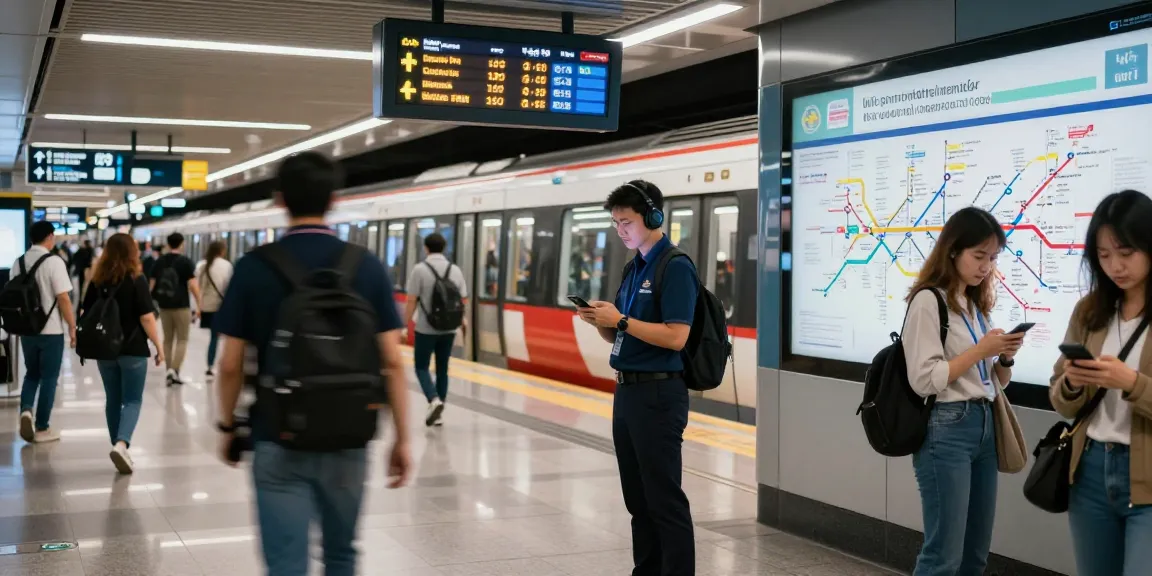
The Importance of Subway Service Alerts in Urban Transit
In the fast-paced environment of urban commuting, timely information is key to navigating the complexities of subway travel. Understanding the nuances of subway service alerts can significantly enhance the commuting experience, reducing stress and uncertainty for passengers. With global cities depending increasingly on subway systems to alleviate road congestion, effective management and dissemination of service alerts are crucial. This article delves into the multifaceted world of subway service alerts, examining their role in urban transit and how real-time data transforms the daily commute.
Understanding Subway Service Alerts
Subway service alerts are real-time notifications issued by transit agencies to inform passengers about various operational issues. These alerts may cover a range of topics, including service disruptions, delays, track maintenance, and emergency situations. The notifications help commuters plan their journeys more effectively, ensuring they are well-informed about current conditions.
Effective communication of subway service alerts is essential not only for passenger convenience but also for maintaining public trust in transit systems. When passengers are kept in the loop, the perceived reliability of the service increases, fostering a more positive commuting experience. Transit agencies are increasingly leveraging technology to enhance the speed and accuracy of these alerts.
How Real-Time Data Enhances Commuting Experience
The integration of real-time data into urban transit systems has revolutionized the way commuters receive information. By offering live updates, passengers can make quick decisions that directly impact their travel times. For instance, knowing about an unexpected delay allows commuters to adjust their plans, whether it's finding an alternative route or simply waiting at the station.
Studies indicate that cities implementing real-time data capabilities experience a noticeable decline in commuter anxiety. Passengers appreciate having the ability to check arrival times and service alerts from mobile apps or information screens at stations. This shift toward transparency makes subways a more attractive option for urban travel.
The Role of GTFS-Realtime Standards
General Transit Feed Specification (GTFS) has become a cornerstone for modern transit data exchange. The GTFS-Realtime extension of this standard allows transit agencies to send real-time updates about service changes, vehicle positions, and other critical information. This standardized format plays a pivotal role in helping various platforms accurately display real-time data, thereby enhancing user experience.
By adhering to GTFS-Realtime standards, agencies ensure that third-party applications, such as Subway Today, can deliver consistent and reliable service alerts. This creates a seamless experience for users who rely on multiple sources for information. The transparent nature of GTFS also lends credibility to the data provided, reassuring passengers that they are receiving information straight from the source.
How Subway Today Utilizes Real-Time Data
Subway Today is at the forefront of using GTFS-Realtime data to provide an exceptional user experience for subway riders. By fetching data every 30 seconds, the platform ensures that passengers receive the latest updates on their favorite subway lines and stations, enhancing their overall travel experience.
Fetching Data Every 30 Seconds
Subway Today embodies the principle of immediacy by fetching updates from transit agencies every 30 seconds. This frequency allows users to receive timely information relevant to their specific journeys, making last-minute decisions easier. The commitment to near-instantaneous updates sets Subway Today apart and provides an invaluable resource for commuters looking to avoid delays and disruptions.
Decoding Updates for Direction-Aware Arrivals
One of the standout features of Subway Today is its ability to decode updates into direction-aware arrival boards. This means that when users choose a subway line and station, they are presented with arrival information tailored to their specific route. This functionality not only streamlines the commuting experience but also helps passengers feel more in control of their travel.
Static Schedule Data: Maintaining Accuracy
While real-time data is invaluable, static schedule data also plays an essential role in maintaining the overall accuracy of information presented to commuters. Subway Today uses GTFS files that are updated daily to ensure that users are aware of scheduled service times, even if real-time feeds are temporarily unavailable. This dual approach of utilizing both real-time and static data guarantees that passengers are never left in the dark.
Challenges in Implementing Real-Time Subway Tracking
Despite the clear advantages of real-time subway tracking, there are several challenges transit agencies face in implementing these systems effectively. By addressing misconceptions and technical issues, agencies can pave the way for more reliable service alerts.
Common Misconceptions about Real-Time Data
One of the most significant misunderstandings regarding real-time data is the belief that it guarantees absolute accuracy. In reality, while real-time tracking can minimize uncertainty, it is subject to various external factors. For instance, technical glitches or communication failures can occasionally lead to delays in data being disseminated.
Transit agencies need to manage these expectations by providing context for alerts and updates. Continuous education campaigns can help inform the public about the limitations of real-time data while reinforcing the value it offers in terms of timely updates.
Technical Issues and Solutions
Another challenge is the technical infrastructure required to support real-time data dissemination. Many agencies must invest in modernizing their systems, which can be costly and time-consuming. However, by leveraging partnerships with tech companies specializing in transit solutions, agencies can develop efficient platforms without starting from scratch.
Moreover, establishing regular maintenance protocols for data systems can mitigate unexpected outages, ensuring that service alerts are consistently available to commuters.
Best Practices for Reliable Alerts
To enhance the reliability of subway service alerts, agencies should adopt best practices such as rigorous testing protocols, proactive communication strategies, and regular performance assessments. Engaging with users to gather feedback will also be crucial in refining alert systems and ensuring they meet the needs of those who depend on public transit.
Future Trends in Subway Service Alerts (2026 and Beyond)
As technology continues to advance, the future of subway service alerts looks promising. Innovations in data analytics, artificial intelligence, and mobile technologies will collectively contribute to enhancing how transit agencies communicate with their passengers.
Emerging Technologies in Transit Tracking
Emerging technologies, including Internet of Things (IoT) devices and machine learning algorithms, are likely to play a significant role in transit tracking. By harnessing vast data streams from sensors embedded in trains and stations, agencies can predict when delays might occur and proactively inform passengers before they even leave home.
Additionally, technologies like augmented reality (AR) could provide visual alerts through mobile devices, offering real-time updates that are both engaging and easy to understand.
Potential for AI Integration
Artificial intelligence stands to revolutionize customer service within transit systems. AI-powered chatbots and virtual assistants can provide personalized updates to passengers based on their travel history and preferences, making service alerts not just reactive but also anticipatory. This shift toward personalized service may enhance customer satisfaction and loyalty significantly.
Predictions for Urban Mobility Improvements
Looking ahead to 2026 and beyond, we can expect a transformation in urban mobility strategies. Enhanced collaboration among transit agencies, tech firms, and local governments will be crucial in creating a cohesive transit experience. Real-time service alerts will become more sophisticated, integrated seamlessly with multimodal transport options, enabling smarter urban movement.
User Experience Enhancements through Service Alerts
Improving the user experience through service alerts requires a combination of technology, design, and strategic communication. By focusing on user-friendly interfaces and effective messaging, agencies can create an environment conducive to informed commuting.
Designing User-Friendly Interfaces
Interfaces that prioritize usability ensure that passengers can easily navigate and access real-time information. Subway Today exemplifies this through its intuitive design, allowing users to select cities, lines, and stations effortlessly. An emphasis on clean layouts and logical navigation paths reduces friction and improves overall satisfaction.
Case Studies: Successful Implementations
Several cities have successfully implemented real-time alert systems that serve as case studies for others. For example, New York City's MTA has adopted various digital screens displaying real-time information across stations, significantly reducing confusion during service interruptions. The feedback from these initiatives has demonstrated how effective communication can transform user experiences.
Engaging Users with Relevant Updates
Engagement goes beyond just providing data; it's about making that data meaningful. Personalizing alerts based on commuter patterns can enhance engagement. For instance, notifying users about delays for their frequently used lines can help them become better prepared for their journeys.
What is the impact of subway service alerts on commuting habits?
Subway service alerts have a tangible impact on commuting habits, often leading to behavioral changes. Research indicates that when passengers receive timely updates about service disruptions, they are more likely to use public transit rather than alternative modes of transport, thereby reducing vehicular traffic.
How do transit agencies implement GTFS-Realtime standards?
Transit agencies implement GTFS-Realtime standards by integrating real-time data feeds within their existing scheduling systems. Training staff on the importance of accurate data entry and maintenance is crucial for effective implementation.
What are the benefits of real-time tracking for passengers?
The benefits of real-time tracking for passengers include enhanced decision-making capabilities, reduced waiting times, and an overall improved travel experience. With real-time updates, passengers can feel more empowered during their journeys.
How can I receive subway service alerts on my phone?
To receive subway service alerts on your phone, you can download transit agency apps or use third-party services like Subway Today. Many platforms allow users to opt-in for notifications tailored to specific routes or stations, ensuring you remain informed while on the move.
What challenges do agencies face in providing service alerts?
Agencies often face challenges such as outdated technology, budget constraints, and public expectations for instantaneous updates. Overcoming these hurdles requires strategic planning, investments in modern infrastructure, and ongoing community engagement.