Understanding Customer Preferences
Identifying Trends in Gastronomy
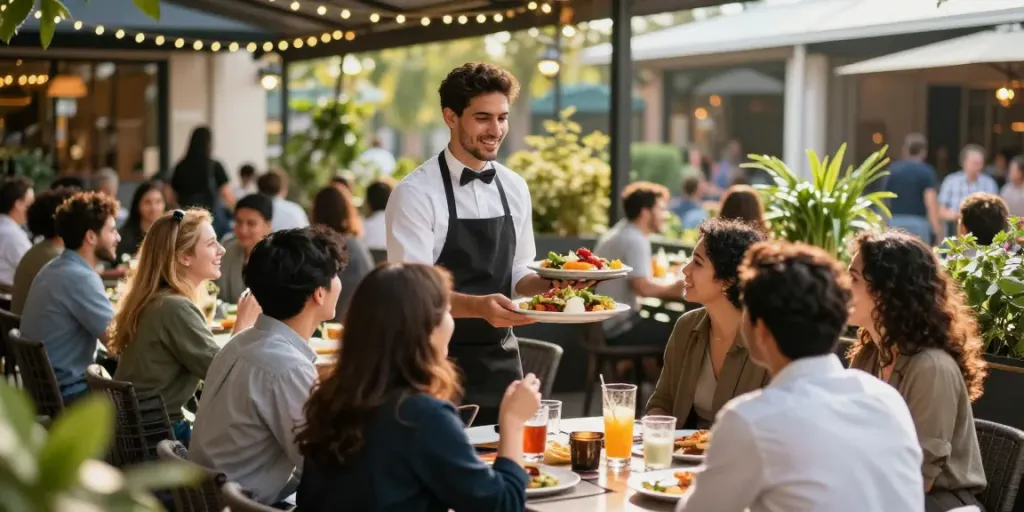
Understanding customer preferences is the first key element in shaping a restaurant's menu. Being aware of the latest trends in gastronomy not only fuels the creativity of chefs but also ensures that diners are offered dishes that resonate with their evolving tastes. From plant-based diets to gourmet global cuisine, modern consumers are increasingly adventurous and health-conscious.
Consider conducting surveys or utilizing social media polls to gauge customer interests. Institutions like the National Restaurant Association often highlight trends that can provide insight into what customers are craving. Focusing on such trends helps to match menu offerings with customer desires.
Seasonal Ingredient Importance
Incorporating seasonal ingredients into your menu is more than a trend; it’s a commitment to freshness and sustainability that resonates with many diners today. Seasonal produce not only tastes better but also supports local farmers and reduces the carbon footprint associated with transporting food. By highlighting seasonal items, you can create a dynamic menu that changes throughout the year, keeping customers returning.
Research shows that dishes made from in-season ingredients often carry more flavor and nutrients, creating a better dining experience. Additionally, showcasing these ingredients allows you to tell a story, attracting food enthusiasts who appreciate the journey of their meals from farm to table.
Gathering Feedback for Improvement
Regularly gathering feedback from diners is crucial for continuously fine-tuning your menu. Implement methods for customers to provide comments, whether through comment cards, online surveys, or digital feedback platforms. This ongoing evaluation can give insights into the popularity of items, customer satisfaction, and areas in need of improvement.
By acting on feedback, restaurants can demonstrate that they value customer opinions and are dedicated to enhancing their dining experience. Honest, constructive criticism can lead to innovative changes that keep your menu fresh and appealing.
Designing an Inviting Menu
Visual Layout and Aesthetics
The design of your menu is just as crucial as its content. An inviting visual layout can influence a customer's dining choices significantly. Use appealing fonts, high-quality images, and a cohesive color palette to enhance readability and aesthetic appeal. The menu should reflect the restaurant’s theme, whether it’s upscale, casual, or ethnic.
Keep in mind that customers often scan menus rather than read them in detail. Hence, strategically placing signature dishes at the beginning or end of sections can guide choices. Consider using a layout that flows naturally to improve the customer's experience and promote your best items.
Descriptive Language for Enticing Choices
Descriptive language can do wonders when it comes to enticing customers. Use vivid adjectives and imaginative phrases that create a mental image of the dish, appealing to all senses. Instead of simply listing "grilled chicken," opt for "succulent grilled chicken marinated with herb-infused garlic oil, served over a bed of fluffy quinoa."
This kind of storytelling can evoke a strong desire to sample the dishes and significantly boost overall sales. Pairing enticing descriptions with the right wine or cocktail options can further enrich the dining experience.
Balancing Menu Items for Variety
An effective menu must offer variety while maintaining balance. This involves curating a selection that caters to different dietary preferences and includes meat-based, vegetarian, and vegan options. Moreover, grouping dishes into categories such as appetizers, entrees, and desserts provides a sense of structure.
Don’t shy away from incorporating fusion dishes that combine elements from different cuisines. This can attract the attention of adventurous eaters looking for something new as well as local patrons who enjoy familiar flavors presented differently.
Incorporating Technology in Ordering
Benefits of Digital Menu Systems
Embracing technology can enhance operational efficiency and improve customer experience. Digital menu systems streamline the ordering process and can be easily updated, allowing for real-time changes to prices and available items. This ensures that customers always receive accurate information, reducing misunderstandings and frustration.
Moreover, digital systems can integrate with inventory management to automatically alert staff when items are running low, thereby minimizing waste and optimizing stock management.
Utilizing Slot Online for Interactive Options
The integration of slot online can significantly enhance the dining experience by offering interactive engagement. By incorporating playful elements where diners can select virtual items or participate in gamified experiences, restaurants can drive excitement around their menu offerings and increase engagement levels.
This tech-savvy approach can capture the attention of younger demographics who appreciate interactive dining experiences. Additionally, it provides valuable data on diner preferences and behaviors, which can be utilized for future menu improvements.
Enhancing Customer Experience with Apps
Mobile apps can also streamline a guest’s dining experience, allowing patrons to browse the menu, place orders, and make reservations at their convenience. Integrating a loyalty program into the app can reward repeat customers, fostering brand loyalty. Effective use of push notifications keeps customers informed about special offers, new dishes, or restaurant events.
A seamless digital experience begins with a user-friendly interface. The goal is to make it simple for diners to engage with your restaurant anytime and anywhere, cultivating a relationship that extends beyond their visit.
Menu Pricing Strategies
Cost Analysis for Ingredient Sourcing
Setting prices involves a thorough analysis of ingredient costs, labor, and overheads. Begin with a detailed breakdown of your ingredient sources, factoring in seasonal availability, quality levels, and local vs. imported options. This analysis allows you to develop a pricing strategy that reflects not only cost but also the perceived value of your offerings.
It's crucial to maintain a balance between profit margins and competitive pricing. The menu should reflect a range of price points to cater to various customer demographics while managing the overall financial health of the restaurant.
Setting Competitive Prices
In a competitive market, pricing your menu items effectively is essential. Conduct a market analysis to understand how your pricing compares to similar establishments in your area. This helps to ensure that your offerings are neither underpriced, which can undervalue them, nor overpriced, which could drive potential customers away.
Employ psychological pricing techniques; for example, categorizing items strategically between price points can influence perception and increase sales. Consider offering bundles or combo meals that provide perceived savings.
Offering Promotions and Specials
Promotions and limited-time offers can generate excitement and drive traffic to your restaurant. Whether it's a seasonal special or a unique dish curated for a holiday, these offers create urgency and incentivize customers to visit. Consider loyalty discounts for frequent diners or bundle deals to attract larger groups.
Engage customers through social media platforms to enhance visibility for your promotions, creating an online buzz that translates into foot traffic and increased sales.
Marketing Your Menu Effectively
Leveraging Social Media Platforms
Social media is a vital tool for promoting your menu and engaging with customers. Platforms like Instagram, Facebook, and TikTok allow restaurants to showcase stunning images of their dishes and share stories behind them. Modern diners crave visual stimulation, and restaurants that present aesthetic food imagery can significantly boost interest.
Create regular content, such as behind-the-scenes videos, customer testimonials, and influencer partnerships, to amplify your reach. Engaging with followers through comments and messages fosters a sense of community around your brand.
Creating Engaging Content for Your Audience
Developing engaging content goes beyond simple menu updates; consider creating blogs or videos that delve deeper into food preparation, ingredient sourcing, or chef interviews. This not only enhances your SEO strategy but also presents your restaurant as a knowledgeable authority in the culinary scene.
Sharing stories about local farmers or the inspirations behind your dishes can establish a deeper connection with diners. Engaged customers are more likely to return and recommend your restaurant to others.
Utilizing Customer Reviews and Testimonials
Customer reviews can heavily influence potential diners' decisions. Encouraging satisfied customers to leave positive reviews on platforms such as Yelp, Google, or TripAdvisor should be a key component of your marketing strategy. Displaying positive testimonials on your social media feed or website can help create social proof that encourages new visitors.
Responding to both positive and negative feedback publicly shows that your restaurant values customer opinions and is dedicated to improvement. This approach enhances your reputation and builds trust within the community.
Frequently Asked Questions
What is the importance of using seasonal ingredients?
Seasonal ingredients provide fresher tastes, support local farmers, and promote sustainability. They can also enhance the creativity and appeal of your menu.
How often should I update my menu?
Menus should ideally be reviewed and updated seasonally or quarterly to reflect ingredient availability and customer preferences, keeping offerings fresh and exciting.
How can I effectively promote my restaurant's menu?
Utilize social media, engaging content, and targeted promotions to captivate your audience. Showcase compelling visuals and customer testimonials to draw interest.
Should I consider customer feedback in my menu planning?
Absolutely! Customer feedback offers valuable insights into preferences and satisfaction levels, guiding you in making informed improvements to your menu.
What role does technology play in modern restaurant menus?
Technology enhances the ordering process and customer engagement through digital menus and mobile apps, streamlining operations and improving the dining experience.