Understanding Work Zone Safety Colorado Contractors
Work zone safety is a critical aspect for contractors in Colorado, especially given the state's vast network of highways and infrastructure projects. With increasing traffic volumes and a variety of construction activities occurring simultaneously, the need for effective safety protocols and comprehensive training cannot be overstated. It's essential for contractors to be well-versed in the work zone safety colorado contractors regulations and best practices to prevent accidents and ensure the safety of their workers and the general public.
Key Safety Regulations You Need to Know
In Colorado, contractors must comply with state regulations set forth by the Colorado Department of Transportation (CDOT) and Occupational Safety and Health Administration (OSHA). These regulations provide guidelines on how to effectively manage work zone operations, including the placement of signage, traffic control measures, worker safety, and equipment usage.
Key regulations include:
- Temporary Traffic Control Manual: This manual outlines the standards for traffic control devices, including cones, barriers, and signage to guide both vehicles and pedestrians safely through work zones.
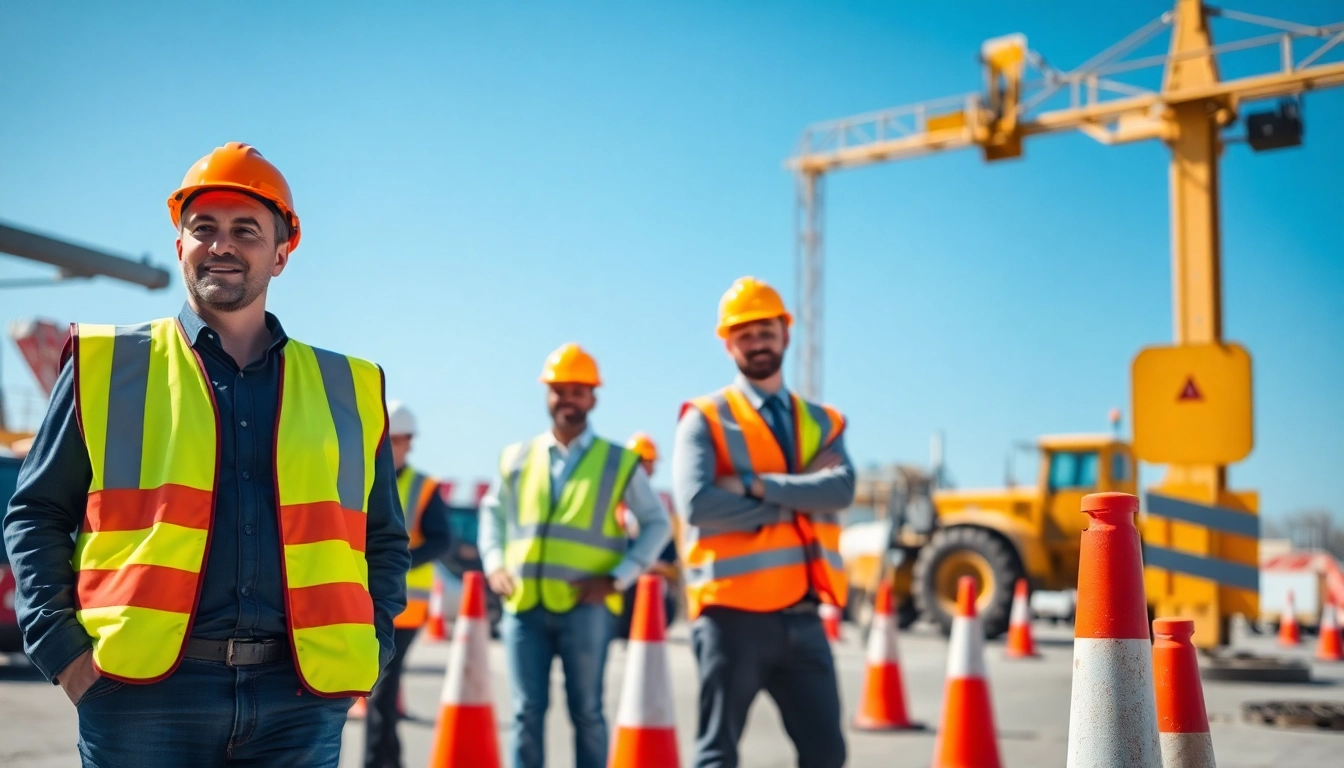
- Worker Protection Guidelines: Contractors are required to implement measures to protect employees, including using personal protective equipment (PPE) like helmets, high-visibility clothing, and appropriate footwear.
- Emergency Response Planning: Having a robust emergency response plan is mandatory. It should cover potential injury scenarios and outline evacuation procedures, ensuring that all workers are prepared to handle emergencies efficiently.
Common Hazards in Work Zones
Work zones present several hazards that can jeopardize both workers and the public. Understanding these risks is crucial for managing safety effectively. Common hazards include:
- Moving Vehicles: The presence of construction vehicles and general traffic increases the risk of collisions.
- Equipment-Related Injuries: Heavy machinery operation poses risks if not managed with safety protocols.
- Slips and Falls: Wet surfaces, uneven grounds, and other environmental factors contribute to slip-and-fall accidents.
By identifying these hazards and implementing appropriate safety measures, contractors can significantly reduce the potential for accidents.
The Importance of Training and Awareness
Training is vital for ensuring that all workers are aware of the risks associated with work zones and understand the safety protocols that protect them. Regular training sessions should include:
- Safety Protocols: Workers must be thoroughly educated on the correct procedures for operating machinery, using PPE, and responding to emergencies.
- Awareness Programs: Programs highlighting the dangers of work zones and the importance of maintaining focused attention can help minimize accidents stemming from distractions.
- Compliance Training: Ensuring that all workers understand and comply with local regulations reinforces a culture of safety.
Best Practices for Work Zone Safety Colorado Contractors
Implementing Safety Protocols
Every contractor should develop a comprehensive safety plan tailored to their specific work zone needs. This plan should be communicated to all workers and regularly updated to reflect any changes in the project or regulations. Key components include:
- Daily Safety Briefings: Conduct daily briefings to remind workers of safety practices and update them on any site changes.
- Clear Responsibilities: Assign roles clearly so each worker knows their responsibilities regarding safety.
- Reporting Mechanisms: Establish methods for workers to report unsafe conditions without fear of retaliation.
Use of Signage and Barricades
Proper signage and barricades are essential in alerting drivers and pedestrians about work zones. Recommendations for effective use include:
- Visibility: Ensure that signs are easily visible even from a distance and are well-lit to enhance visibility at night.
- Information Clarity: Use clear and concise language and symbols to communicate messages effectively.
- Barricade Placement: Place barricades strategically to direct traffic safely and protect workers from potential hazards.
Regular Equipment Checks
Equipment malfunctions can lead to severe accidents. Therefore, regular maintenance and safety checks of machinery are critical. Best practices include:
- Pre-use Inspections: Conduct thorough inspections before operation to ensure equipment is functioning correctly.
- Maintenance Records: Keep detailed records of inspections and maintenance to track equipment condition over time.
- Training on Equipment Use: Only trained personnel should operate heavy machinery to minimize the risk of accidents.
Technology and Tools to Enhance Work Zone Safety
Adopting the Latest Safety Equipment
Emerging technologies have the potential to enhance safety in work zones significantly. Contractors should invest in advanced safety equipment such as:
- Wearable Safety Devices: Smart helmets and vests can monitor workers’ locations and alert them to hazards.
- Traffic Control Systems: Automated traffic management systems can help control flow and reduce the risk of collisions.
- Real-time Communication Tools: Solutions that enable instant communication among crew members help keep everyone informed of safety updates.
Utilizing Drones for Site Surveillance
Drones have become invaluable tools in construction for their ability to provide real-time aerial surveillance. Their benefits include:
- Enhanced Monitoring: Drones can monitor worksite conditions and traffic patterns, allowing supervisors to respond quickly to issues.
- Accident Prevention: Aerial footage can help identify hazards that may not be visible from ground level.
- Data Collection: Drones can collect data for risk analysis and project planning, leading to informed decision-making.
Safety Apps for Real-time Monitoring
Integrating technology apps into everyday operations facilitates improved communication and efficiency. Safety apps can assist with:
- Incident Reporting: Workers can quickly report accidents or unsafe conditions through their smartphones.
- Safety Checklists: Digital checklists can streamline inspections and ensure compliance with safety protocols.
- Real-time Updates: Workers receive instant notifications about changes in site conditions or safety measures.

Case Studies of Successful Work Zone Safety Implementations
Lessons from Leading Colorado Contractors
Examining case studies where Colorado contractors have successfully implemented safety measures can yield valuable insights. Contractors who prioritize safety are often seen as industry leaders. Some notable takeaways include:
- Proactive Risk Management: Successful contractors continuously assess risks and adjust safety protocols before incidents occur.
- Employee Involvement: Engaging workers in safety protocol development fosters a culture of accountability and vigilance.
- Reporting Transparency: Open communication channels about safety issues lead to quick resolutions and trust-building among team members.
Innovative Safety Measures in Action
Innovative technologies and practices provide practical solutions for improving safety in work zones. Examples include:
- Virtual Reality Training: Some companies have begun utilizing virtual reality to simulate work zone scenarios to train employees effectively.
- Remote Monitoring Systems: The implementation of remote tools to monitor workers in hazardous areas allows for quick reactions to emergencies.
- Safety Culture Programs: Developing a safety culture within organizations helps raise awareness and encourages all workers to prioritize safety.
Evaluating Performance and Outcomes
Regular evaluations of safety programs ensure continuous improvement. Indicators to track include:
- Accident Rates: Monitoring and analyzing accidents can highlight areas needing attention.
- Compliance Audits: Regular audits assess if safety protocols align with regulatory requirements.
- Worker Feedback: Gathering feedback from the workforce can provide insights into the effectiveness of current safety measures.
Frequently Asked Questions about Work Zone Safety Colorado Contractors
1. What are the most common hazards in work zones?
Common hazards include moving vehicles, equipment-related injuries, slips, and falls. Proper training and safety gear help mitigate risks.
2. How can contractors improve safety measures?
Contractors can enhance safety by implementing thorough training, using advanced safety equipment, and ensuring clear signage in work zones.
3. What role does technology play in work zone safety?
Technology aids in monitoring work zones through real-time data, enhances communication, and improves overall efficiency in safety practices.
4. Why is training essential for work zone safety?
Training increases awareness of risks, teaches proper safety protocols, and ensures that all workers are equipped to handle emergencies effectively.
5. How often should safety equipment be inspected?
Safety equipment should be inspected regularly, ideally before each use, to ensure it is operational and continues to meet safety standards.