Understanding Equipment Transportation
What Is Equipment Transportation?
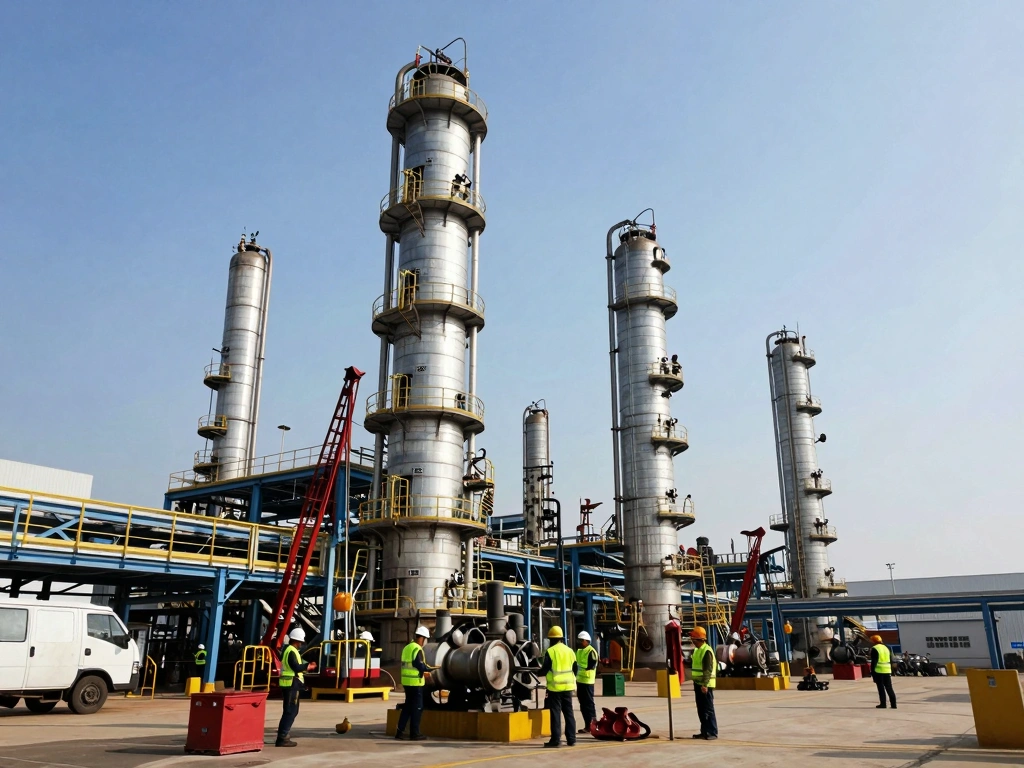
Equipment transportation refers to the specialized logistics involved in moving heavy machinery, construction equipment, vehicles, and oversized loads from one location to another. This process requires expertise in handling large and often complex machines, ensuring they reach their destination safely and efficiently. The transport methods can range from flatbed trucks to specialized vehicles designed specifically for oversized or delicate equipment. An integral part of many industries, equipment transportation is essential for construction, agriculture, mining, and more.
Benefits of Equipment Transportation
The benefits of efficient equipment transportation are manifold. First, it provides operational flexibility, allowing businesses to mobilize equipment quickly to various job sites. This speed can significantly reduce downtime and increase productivity. Second, by outsourcing transportation needs, companies can focus on their core competencies rather than logistics, thereby enhancing overall operational efficiency. Additionally, equipment transportation ensures safety, as professional carriers utilize best practices to secure and transport machinery, mitigating risks of damage during transit. Ultimately, a reliable equipment transportation service can lead to cost savings by optimizing transport routes and reducing idle times.
Key Industries Utilizing Equipment Transportation
Several key industries heavily rely on effective equipment transportation:
- Construction: Transporting heavy machinery like excavators, cranes, and bulldozers is vital for construction projects.
- Agriculture: Farmers often require transportation for tractors and harvesters, particularly during peak seasons.
- Mining: Heavy equipment transportation is essential for moving gear to and from remote mining sites.
- Manufacturing: Machinery and large tools need to be regularly transported for installation, upgrades, or repair.
Types of Equipment Transport
Flatbed Transport Options
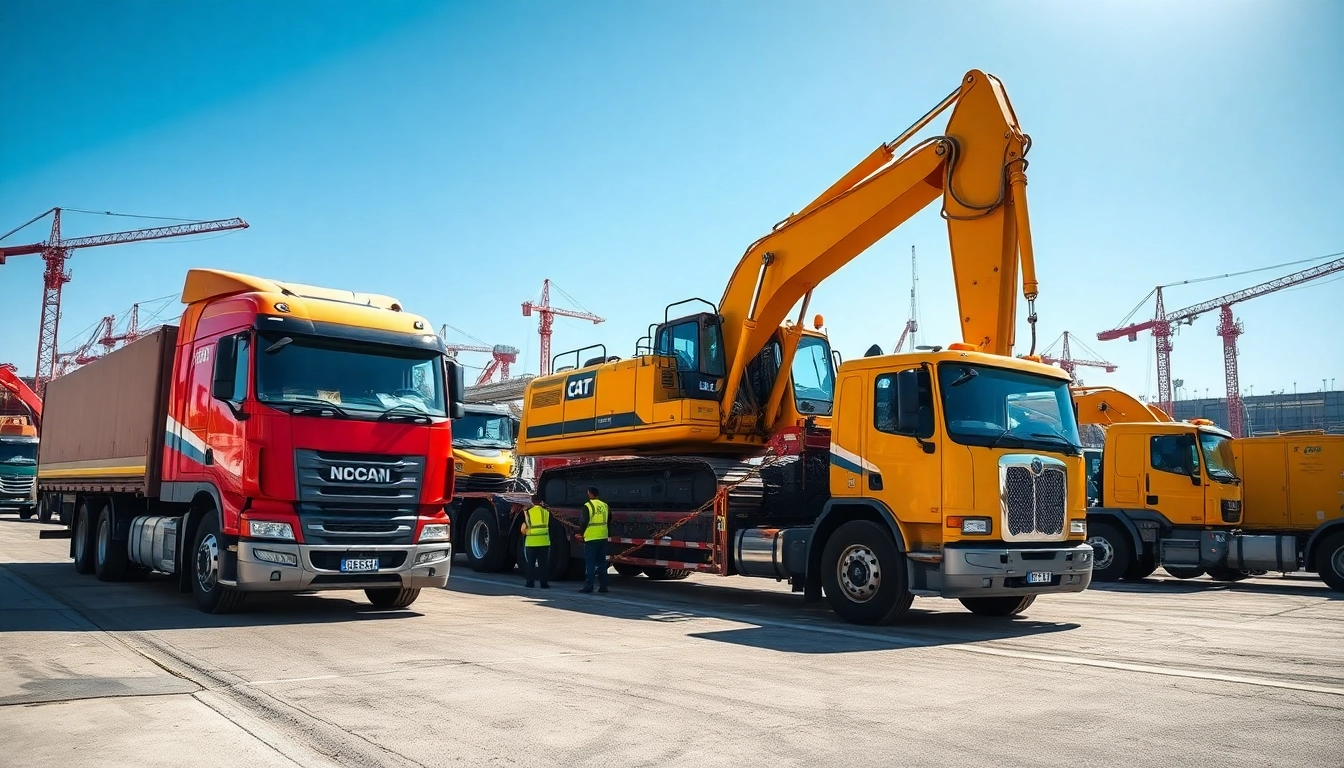
Flatbed transport is one of the most common methods for moving heavy equipment. Flatbeds allow for easy loading and unloading from multiple angles, which can be beneficial at job sites with limited access. This type of transport can accommodate various machinery sizes, making it a versatile option. However, it requires careful securing practices to prevent movement during transit. Companies utilizing flatbed transport should work with experienced service providers who understand how to properly load and secure equipment for safe travel.
Enclosed Transport for Sensitive Equipment
For sensitive or high-value equipment, enclosed transport offers essential protection against the elements and potential hazards on the road. This method is particularly useful for transporting delicate machinery that may be susceptible to damage from exposure to weather or debris. Enclosed transport can also enhance security, reducing risks of theft or vandalism. While it may come at a higher price due to its protective features, the peace of mind and safety it provides often justifies the investment.
Multi-Mode Transportation Solutions
Multi-mode transportation refers to incorporating various transport methods to move equipment from origin to destination. This could include a combination of flatbed trucking, rail freight, or even maritime shipping, depending on the distance and logistical needs. Multi-mode solutions can streamline the transport process, facilitating quicker delivery while optimizing costs. Coordination is key for this method, as it requires precise timing and communication between different transport providers to ensure seamless transitions.
Choosing a Reliable Equipment Transportation Service
Evaluating the Service Providers
When selecting an equipment transportation service, it's crucial to evaluate potential providers thoroughly. Start by checking their experience and specialization in handling the type of equipment you need transported. Request references or reviews from previous clients to gauge their reliability and performance. Furthermore, ensure that the company has all necessary licensing and insurance to protect your investment.
Questions to Ask Potential Carriers
When considering different transportation companies, asking the right questions can help clarify their capabilities and reliability:
- What experience do you have with transporting my type of equipment?
- Can you provide references from past clients?
- What safety protocols do you follow during transport?
- What is your estimated timeline for delivery?
- What type of insurance do you offer, and what does it cover?
Signs of a Quality Equipment Transportation Company
A reputable equipment transportation company will exhibit several key characteristics. These include a strong track record of successful deliveries, comprehensive insurance coverage, excellent customer service, and transparent pricing structures. They will also be up-to-date with the latest regulations concerning oversized load transportation, demonstrating their commitment to compliance and safety. A quality provider will prioritize communication, keeping clients informed throughout the transport process.
Cost Factors in Equipment Transportation
Understanding Pricing Models
The cost of equipment transportation can vary significantly based on several factors including distance, weight, dimensions, and the type of equipment being moved. Typically, transportation costs are calculated based on miles traveled, with additional charges for factors such as loading/unloading, specialized equipment, or permits for oversized loads. Understanding these pricing models can help businesses budget effectively for transportation costs.
Cost-Effectiveness of Different Transportation Methods
Different methods of equipment transport come with varying cost implications. For example, flatbed transport may be more cost-effective for shorter distances or smaller loads, whereas rail transport can provide savings for long-haul freight due to lower fuel costs and more efficient handling of oversized loads. Companies must weigh these options carefully based on their unique logistical needs and budget constraints.
Making a Budget for Your Transport Needs
Creating a budget for equipment transportation requires a comprehensive understanding of all potential costs involved, including fuel surcharges, insurance, and any applicable taxes or fees. Businesses should account for unexpected expenses by building a buffer into their budget to ensure they can accommodate any fluctuations in price. By analyzing past transportation expenses, businesses can also better predict future costs and enhance their budgeting accuracy.
FAQs About Equipment Transportation
What kinds of equipment can be transported?
Most heavy machinery, vehicles, and construction equipment can be safely transported, including excavators, bulldozers, and generators.
How do I prepare my equipment for transportation?
Ensure equipment is clean, operational, and secure before loading for safe transport. Confirm that all loose components are properly fastened and protected.
What permits are needed for equipment transportation?
Permits vary by state and load size; it’s important to check local regulations before transportation and secure necessary documentation in advance.
How long does equipment transportation usually take?
Transport duration depends on distance and route; most transits range from a few hours to several days, depending on the logistics involved.
Is insurance necessary for equipment transportation?
While not legally required, insurance protects against damages or losses during transit, offering vital financial security for your equipment.
Contact Information
Call Us:4062607988Address: 3906 MT-40, Columbia Falls, MT 59912