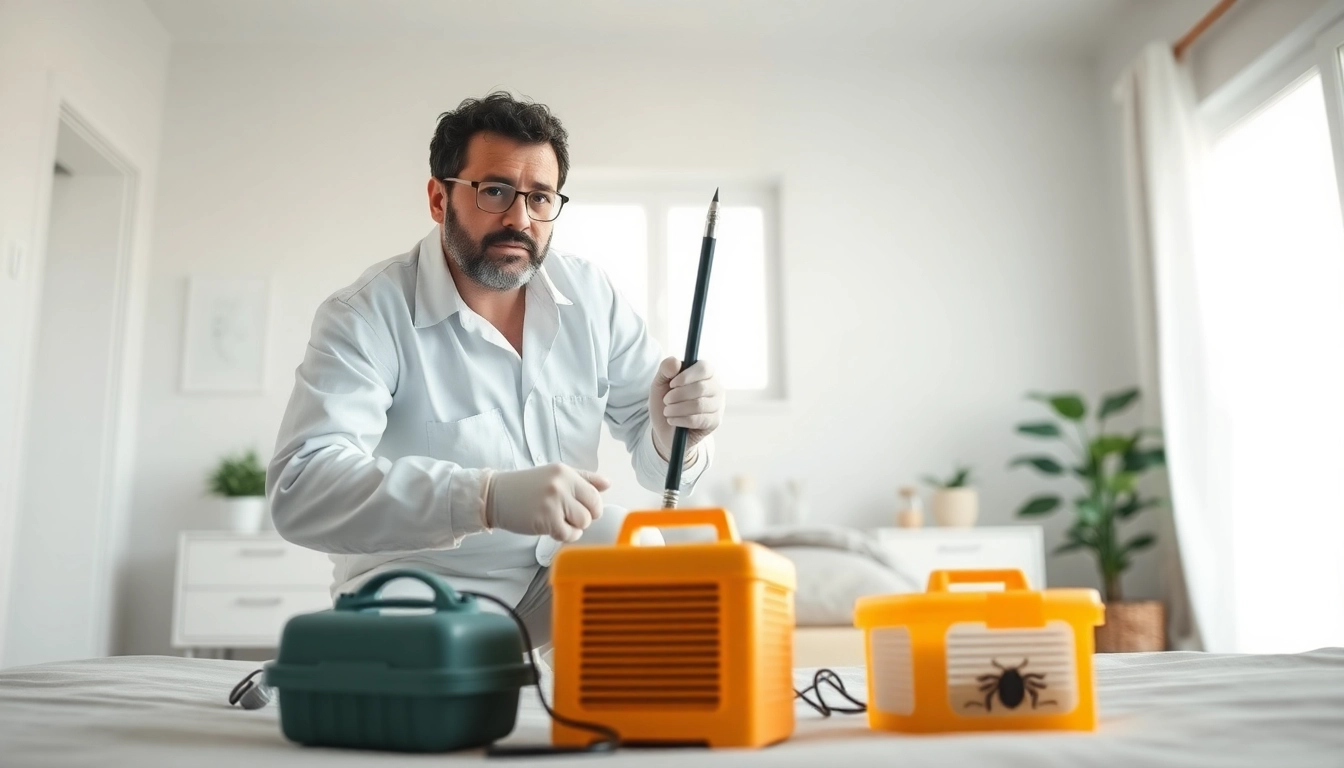
Understanding Bed Bugs and Their Habits
What Are Bed Bugs?
Bed bugs are small, reddish-brown insects that feed on the blood of humans and animals. They typically thrive in warm environments and are often found in areas where they can easily access their hosts, such as beds, couches, and upholstered furniture. Mature bed bugs are about the size of an apple seed, while younger nymphs can be significantly smaller. They do not fly, but they can crawl very quickly, allowing them to spread from room to room.
Life Cycle of Bed Bugs
The life cycle of a bed bug consists of three main stages: egg, nymph, and adult. Female bed bugs lay anywhere from 1 to 5 eggs per day, which hatch after about a week into nymphs. These nymphs undergo five molts before reaching maturity, with each stage requiring a blood meal to advance. Under optimal conditions, bed bugs can develop from eggs to adults in as little as 6 weeks. This rapid life cycle and ability to reproduce quickly contribute to their resilience, making bed bug removal a challenging task.
Common Signs of Infestation
Detecting a bed bug infestation early is crucial. Look for the following signs:
- Bites: Red, itchy welts that appear on the skin, typically arranged in a line or cluster.
- Blood Stains: Small, reddish stains on sheets or mattresses from crushed bugs.
- Dark Spots: Tiny brown or black spots on bedding or furniture, which are bed bug excrement.
- Live Bugs: Sightings of adult bed bugs or nymphs, especially in seams and folds of mattresses.
Preparing for Bed Bug Removal
Initial Inspection Steps
Before addressing a bed bug infestation, perform a thorough inspection. Start in the bedroom by checking under the mattress, within seams, and on the bed frame. Also, inspect nearby furniture, baseboards, and any cracks or crevices. It may be helpful to use a flashlight to spot any eggs or shed skins that suggest bed bug activity.
Items to Remove Before Treatment
Before beginning treatment, remove items that might harbor bed bugs or obstruct treatment. This includes:
- Upholstered furniture.
- Loose bedding and clothing, which should be washed in hot water and dried on high heat.
- Clutter around the bed and in infested rooms, making it easier to access hiding spots.
Ensure to seal the washed items in plastic bags to prevent reinfestation.
Choosing the Right Treatment Method
There are several methods for bed bug removal, each with its advantages and considerations. Homeowners can choose between professional services, heat treatments, or chemical options, depending on the severity of the infestation.
Methods for Bed Bug Removal
Heat Treatment Options
Heat treatment is one of the most effective ways to eliminate bed bugs. This method involves raising the temperature of an infested area to levels lethal to bed bugs, typically around 120°F (49°C) or higher. Special equipment is used to ensure that every nook and cranny is heated effectively. While this method is highly effective and chemical-free, it may require professional assistance for complete results.
Chemical Treatment Overview
Chemical treatments generally involve pesticides that target adult bed bugs and their eggs. These can be in the form of sprays, powders, or foggers. When using chemical treatments, it is essential to follow the instructions carefully, as misuse can lead to resistance or exposure to harmful substances. Combining chemical and non-chemical strategies often yields the best results.
DIY Solutions and Their Efficacy
Various DIY methods exist for those looking to tackle bed bugs independently. Options include:
- Vacuuming: Regularly vacuuming the infested areas can help remove bed bugs and their eggs from surfaces.
- Steam Cleaning: Using a steam cleaner can kill bed bugs on contact.
- Natural Remedies: Some households prefer natural remedies, like diatomaceous earth, but these may not be as effective as professional treatments.
While DIY efforts can assist in limiting an infestation, they are often less effective than comprehensive professional treatments.
Preventing Future Infestations
Best Practices for Home Maintenance
Prevention is key to avoiding future bed bug problems. Implementing a few home maintenance practices can significantly reduce risks. Regularly inspect and clean your home, especially after traveling. Be cautious with used furniture and clothing, always washing them thoroughly before bringing them inside. Keep clutter to a minimum, as it provides ideal hiding spots for these pests.
Monitoring Techniques Post-Treatment
After treatment, monitor your home closely for signs of bed bugs. Consider using encasements for mattresses and box springs to trap any remaining bugs rendered immobile during treatment. Bed bug monitors can also help detect any resurgence of activity early on.
How to Safeguard New Purchases
When purchasing new items, particularly second-hand furniture, be diligent. Inspect these items for any signs of bed bugs before bringing them into your home. Consider using a protective cover for new mattresses and regularly check them for signs of infestation.
When to Call a Professional
Signs You Need Expert Help
If bed bugs reappear after initial treatment, or if the infestation is widespread, it may be necessary to seek professional assistance. Signs that indicate an expert intervention are frequent bites at night, seeing live bugs in multiple locations, or discovering that DIY methods haven't worked.
Questions to Ask Before Hiring
When vetting pest control services, ask specific questions to ensure they are well-equipped to handle your infestation:
- What methods do you use for bed bug removal?
- How many treatments might be necessary?
- Are the treatments safe for children and pets?
Understanding Pricing and Services
Costs for bed bug removal can vary widely depending on the extent of the infestation and treatment methods used. Common factors affecting pricing include the size of the area to be treated and any necessary follow-up visits. Understanding the scope of services being offered is crucial to make an informed decision.
Frequently Asked Questions
What are the signs of a bed bug infestation?
Common signs include bites on your skin, blood stains on sheets, dark spots on mattresses, and the presence of live bugs or shells.
How long does bed bug removal take?
The timeline can vary based on infestation severity but typically requires several visits over 3-4 weeks for thorough treatment.
Can I treat bed bugs myself?
While DIY methods exist, they might not be as effective as professional treatments, especially in severe infestations.
Is bed bug removal safe for pets?
Many professional treatments are safe for pets when done correctly; consult with pest control for pet safety before treatment.
How can I prevent bed bugs from returning?
Maintain cleanliness, inspect second-hand items, use mattress encasements, and keep clutter to a minimum to reduce return risks.