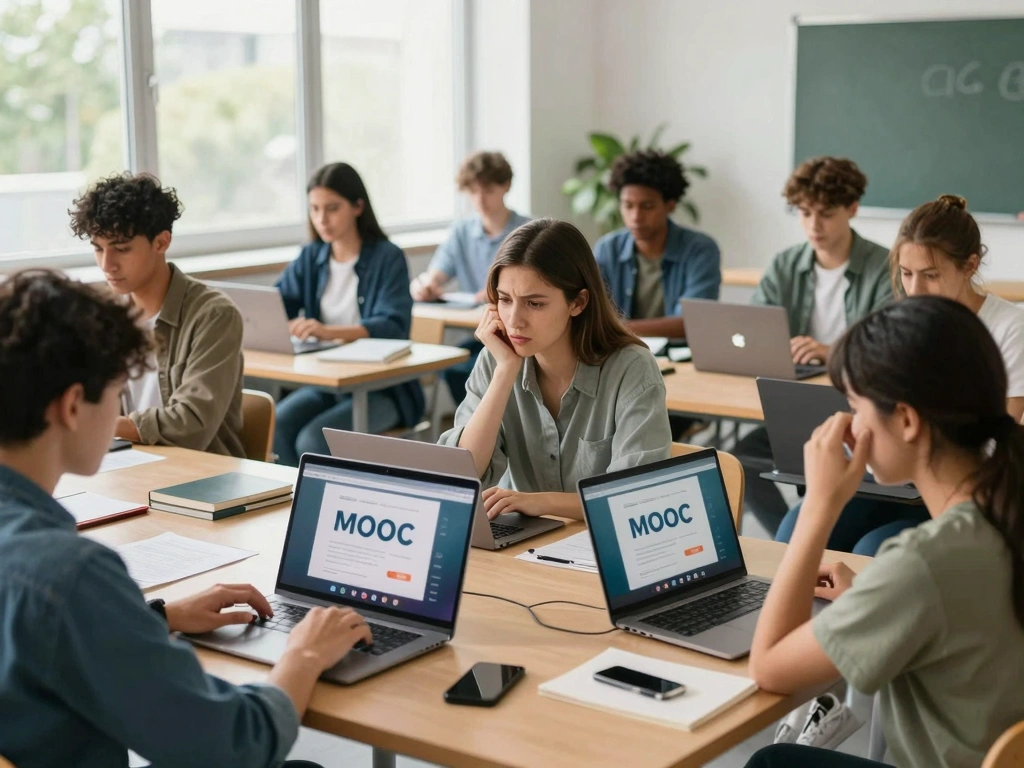
Understanding Online Learning: A Comprehensive Overview
Online learning, also known as e-learning, has transformed the educational landscape over the past few years. With the rapid advancement of technology and growing internet accessibility, education is no longer confined to traditional classrooms. This shift allows learners from diverse backgrounds to access high-quality educational resources from the comfort of their homes. To gain a deeper understanding of this evolving field, click here for insights that could enhance your online learning journey.
What is Online Learning?
Online learning involves a variety of educational experiences delivered through the internet. It encompasses a wide range of programs, courses, and degrees available to learners of all ages. From short courses aimed at skill enhancement to full degree programs offered by accredited institutions, online learning provides flexibility and accessibility that traditional education may lack.
Courses often utilize multimedia resources, including video lectures, reading materials, discussions, and quizzes, to create an engaging learning experience. This mode of learning caters to various learning styles and preferences, allowing students to tailor their educational paths.
Key Benefits of Online Education
- Flexibility: Students can learn at their own pace and schedule, making it easier to balance education with personal and professional commitments.
- Accessibility: Online courses are available to anyone with an internet connection, breaking down geographical barriers.
- Diverse Learning Materials: Many platforms offer a variety of learning resources, from interactive videos to comprehensive articles, accommodating different learning needs.
- Cost-Effectiveness: Online education often reduces costs associated with commuting, housing, and materials.
- Networking Opportunities: Online programs frequently connect learners from around the globe, allowing for diverse interactions and collaborations.
Common Myths About Online Learning
Despite its numerous advantages, online learning is surrounded by several misconceptions. One prevalent myth is that online degrees lack credibility. In reality, many respected universities offer accredited online programs. Another misconception is that online learners receive minimal support; however, many platforms provide robust support services, including mentoring and tutoring. Lastly, some believe online learning is less rigorous than traditional education, yet most programs maintain high academic standards, often requiring as much or more effort than in-person classes.
Choosing the Right Online Learning Platform
Factors to Consider When Selecting a Platform
When selecting an online learning platform, several factors should be considered to ensure a positive learning experience. Look for platforms that offer accredited programs, which can enhance the credibility of your qualifications. Consider the platform's interface and ease of navigation; a user-friendly design can significantly impact your learning efficiency. Additionally, evaluate the types of resources available, including video content, readings, and interactive tools. Lastly, check for community support features, such as forums or study groups, which can foster collaboration among students.
Comparing Popular Online Learning Platforms
There are numerous online learning platforms available, each offering unique features and benefits. Some of the most popular include:
- Coursera: Partners with top universities and organizations to offer a wide range of courses and degrees.
- edX: Provides a vast repository of courses from renowned institutions, focusing heavily on academic integrity.
- Udemy: Offers a unique marketplace for instructors to provide courses on various topics, allowing for diverse content.
- Skillshare: Emphasizes creative and practical skills, making it ideal for learners looking to enhance specific abilities.
User Reviews: What to Look For?
User reviews can provide significant insights into the effectiveness and quality of an online learning platform. Look for comments about the course content, instructor effectiveness, and overall user experience. Pay attention to feedback regarding community interaction and support, as these can enhance your learning journey. Moreover, reviews that discuss course completion rates and the applicability of skills gained can also be indicative of a platform’s value.
Strategies for Effective Online Learning
Time Management Techniques for Online Learners
Effective time management is crucial for success in online learning. Begin by establishing a consistent schedule that mirrors a traditional classroom setting. Use digital tools, such as calendars and to-do lists, to track assignments and deadlines. Setting specific study hours creates structure and accountability. Additionally, prioritize tasks based on urgency and importance, and break larger projects into manageable parts to prevent overwhelm.
Active Participation: Engaging in Virtual Classes
Being an active participant in online classes can significantly enhance your learning experience. Engage with instructors and classmates by asking questions and contributing to discussions. Take advantage of interactive features such as polls, chats, and forums, which can enrich your understanding of the subject matter. Additionally, forming study groups with peers can promote collaborative learning and accountability.
Utilizing Resources and Support Networks
Online learners should take full advantage of the resources available on their chosen platform. Many platforms offer a wealth of materials, including articles, videos, and additional reading lists. Furthermore, utilize support networks like student forums and mentoring services to connect with others who may share similar challenges or goals. These connections can provide motivation and diverse perspectives that enhance your educational experience.
Measuring Your Success in Online Learning
Setting and Tracking Learning Goals
To evaluate your progress in online learning, set clear and achievable learning goals. Utilize the SMART criteria—Specific, Measurable, Achievable, Relevant, and Time-bound—to create effective objectives. Keep track of your goals using digital tools or journals, and adjust them as needed based on your progress and experiences.
Assessments and Feedback Mechanisms
Regular assessments can help you gauge your understanding of the material and identify areas for improvement. Many online courses incorporate quizzes and exams, which serve as valuable feedback mechanisms. Additionally, seek out constructive feedback from instructors and peers, as this can provide insights that foster growth and development.
Adjusting Strategies Based on Performance
Regularly reflect on your learning approaches and outcomes. If certain strategies aren't yielding results, don't hesitate to adjust your methods. Experiment with different study techniques, such as flashcards, practice tests, or collaborative projects, to discover what works best for you. This adaptability will contribute to a more effective and fulfilling online learning experience.
Future Trends in Online Learning: What to Expect in 2026
Emerging Technologies in Education
As we move towards 2026, several emerging technologies are expected to shape the future of online learning. Artificial intelligence (AI) is poised to personalize the learning experience, creating tailored educational pathways for individual students. Virtual reality (VR) and augmented reality (AR) will offer immersive learning environments, enhancing practical training in various fields. Furthermore, gamification will likely play a crucial role in increasing student engagement and motivation.
The Evolution of Learning Communities Online
Online learning communities will continue to evolve as more learners seek collaborative environments. Social media and professional networking platforms are increasingly utilized to foster academic connections and partnerships. The importance of peer support systems will grow, driving the creation of dedicated online spaces where learners can share experiences and resources.
Preparing for Changes in the Educational Landscape
In preparation for these changes, educators and institutions must be agile and adaptable. Continuous professional development for instructors will be essential to keep pace with technological advancements and pedagogical strategies. Moreover, institutions may need to reevaluate their curricula to incorporate emerging skills and competencies that align with the evolving job market. Emphasizing lifelong learning will also be crucial, as professionals will need to continuously update their skill sets to thrive in this dynamic landscape.